Skip to content

PROfezzion 58 mm CPL, twelve layers

Twelve coating layers on a 58 mm circular polariser for 16 € — from a page whose fourth bullet gives the thread as 52 mm and explains where to check it.

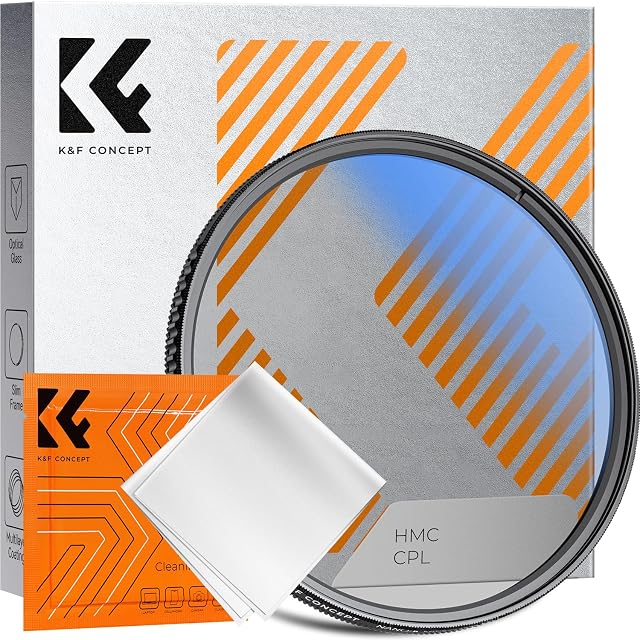
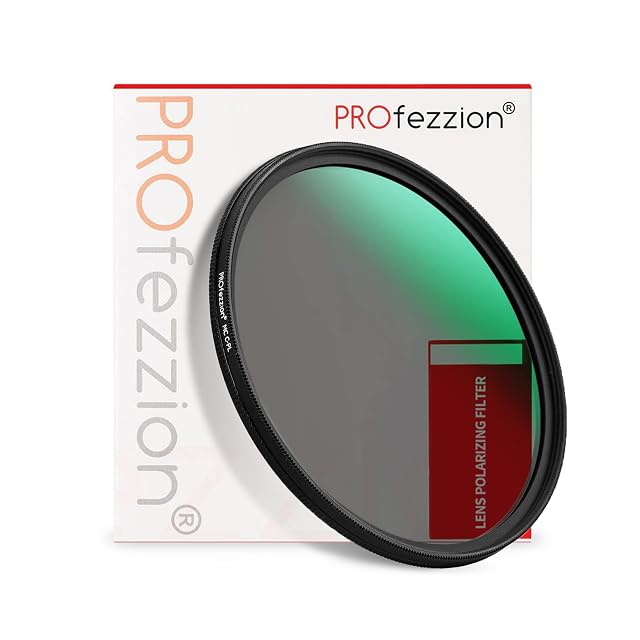
PROfezzion 58 mm circular polariser with its rotating ring and case

PROfezzion 58 mm CPL, twelve layers

Twelve coating layers on a 58 mm circular polariser for 16 € — from a page whose fourth bullet gives the thread as 52 mm and explains where to check it.

Thread size
58 mm in the title — AND 52 mm in the fourth bullet, which says the filter fits any lens with a 52 mm thread. The same bullet then explains, usefully, that the correct size is printed on the lens after a ⌀ symbol. The title and the part number PF-58CPL agree on 58; the bullet is the odd one out, and the ⌀ on the lens settles it
Type
CIRCULAR, in the title and throughout. The hub above treats circular versus linear as the first question: a circular polariser keeps autofocus and metering working on a modern camera, and a linear one does not
Light loss stated
NOT STATED. A polariser costs light — commonly one and a half to two stops — and no page on this shelf publishes the figure. The hub above asks for it in stops, and four filters here leave it out
Coating description
TWELVE layers, multi-coated, in the third bullet, credited with reducing reflection and named for outdoor and landscape work over water, sky and plants. The same count as the maker’s UV filter on this site
Frame thickness
Not published — where the same maker publishes 3 mm on its UV filter. On a polariser the frame is necessarily thicker, because it has to rotate, and that makes the missing figure more significant rather than less
Rotation mechanism
Not described. A polariser is used by turning it, and how the ring turns — knurled, geared, stiff, smooth — is the whole ergonomics of the thing. The 28 € NEEWER on this shelf describes straight knurling and smooth rotation; this page is silent
Amazon reference
B093247YD6 (same reference on 6 Amazon marketplaces)
EAN
6940202350500
  • Twelve multi-coating layers, on named Japanese glass in an aviation-aluminium frame
  • A bullet that explains where the thread size is printed, after the ⌀ symbol
  • The title says 58 mm and the fourth bullet says 52 mm

Best for: A 58 mm lens used over water and foliage, where twelve coating layers for 16 € matter more than a published stop figure.

≈ $16 / £13 / 16 €
Check price on Amazon
Specifications

Thread size
58 mm in the title — AND 52 mm in the fourth bullet, which says the filter fits any lens with a 52 mm thread. The same bullet then explains, usefully, that the correct size is printed on the lens after a ⌀ symbol. The title and the part number PF-58CPL agree on 58; the bullet is the odd one out, and the ⌀ on the lens settles it
Type
CIRCULAR, in the title and throughout. The hub above treats circular versus linear as the first question: a circular polariser keeps autofocus and metering working on a modern camera, and a linear one does not
Light loss stated
NOT STATED. A polariser costs light — commonly one and a half to two stops — and no page on this shelf publishes the figure. The hub above asks for it in stops, and four filters here leave it out
Coating description
TWELVE layers, multi-coated, in the third bullet, credited with reducing reflection and named for outdoor and landscape work over water, sky and plants. The same count as the maker’s UV filter on this site
Frame thickness
Not published — where the same maker publishes 3 mm on its UV filter. On a polariser the frame is necessarily thicker, because it has to rotate, and that makes the missing figure more significant rather than less
Rotation mechanism
Not described. A polariser is used by turning it, and how the ring turns — knurled, geared, stiff, smooth — is the whole ergonomics of the thing. The 28 € NEEWER on this shelf describes straight knurling and smooth rotation; this page is silent
Amazon reference
B093247YD6 (same reference on 6 Amazon marketplaces)
EAN
6940202350500

On the listing

Five bullets. A CPL filter said to eliminate ultraviolet rays from outdoor shots and to polarise light, removing reflections and raising colour saturation without affecting the overall colour balance; a dramatic improvement to a blue sky with clouds brought out more strongly, with better saturation and contrast; a twelve-layer multi-coating that reduces reflection, named for outdoor and landscape work over water, sky and plants; compatibility with any lens of 52 mm thread, with a note that the correct size can be checked on the lens and normally follows a ⌀ symbol; and a Japanese optical glass and aviation-aluminium frame construction, with a delicate portable filter case supplied.

Twelve layers, for sixteen euros

The same coating count the maker puts on its UV filter. On a polariser the layers matter more, because the filter is already taking light out of the frame on purpose.

Fifty-eight in the title, fifty-two in the fourth bullet

The part number says PF-58CPL. The bullet says 52 mm. The lens barrel settles it, and the same bullet says where to look: after the ⌀ symbol.

The ⌀ symbol, explained

Two pages in this whole catalogue bother to say where the thread size is printed. It is the commonest mistake in buying any screw-in accessory.

What a polariser does that no software can

It sees through a reflection instead of darkening one. The glare off water is either recorded or removed at the moment of exposure.

What sixteen euros does not publish

The stops it costs, the thickness of its frame, or how the ring turns. A filter used by rotating it should describe the rotation.

Availability

About 16 € on the German, French, Italian and Spanish Amazon stores when this page was last checked.

The American and British Amazon stores carry it too, priced in local currency. Those amounts are deliberately absent from the range above, which reads euro stores only.

Everything in this section is the figure Keepa carried on the day of the last update to this page. Availability and prices shift without notice.

Prices quoted in this text were read on 13 September 2026. The live price is at the top of the page.

All polarising filters