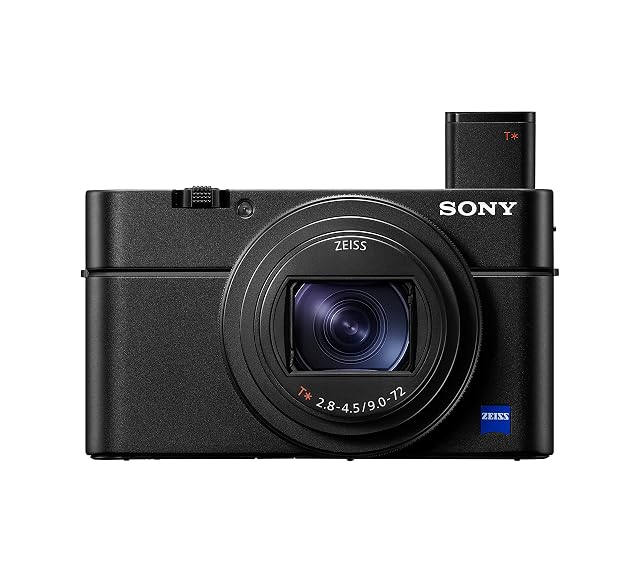
A fixed lens, and the aperture at the long end is the real specification
The best compact cameras for 2026
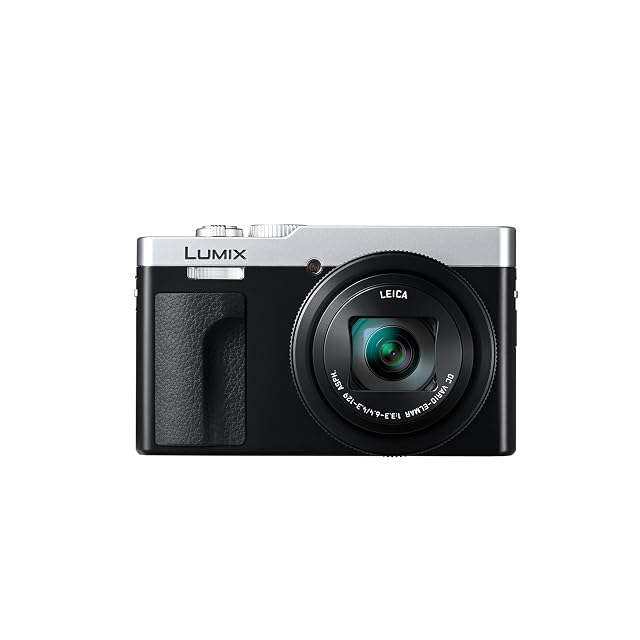
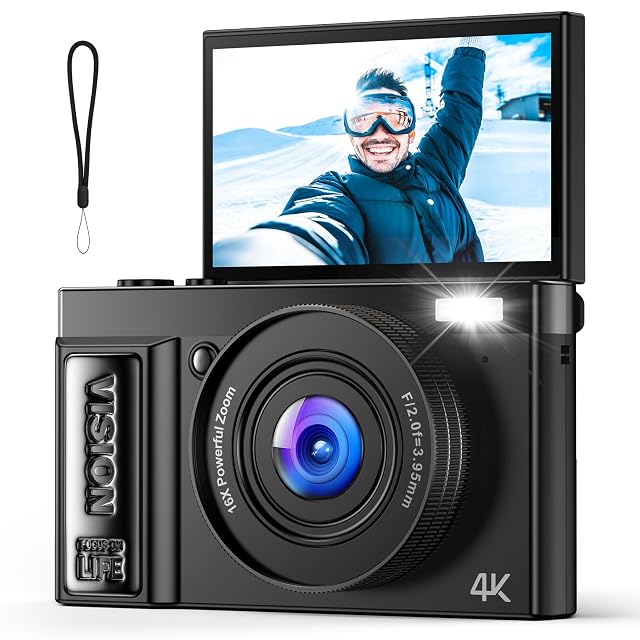
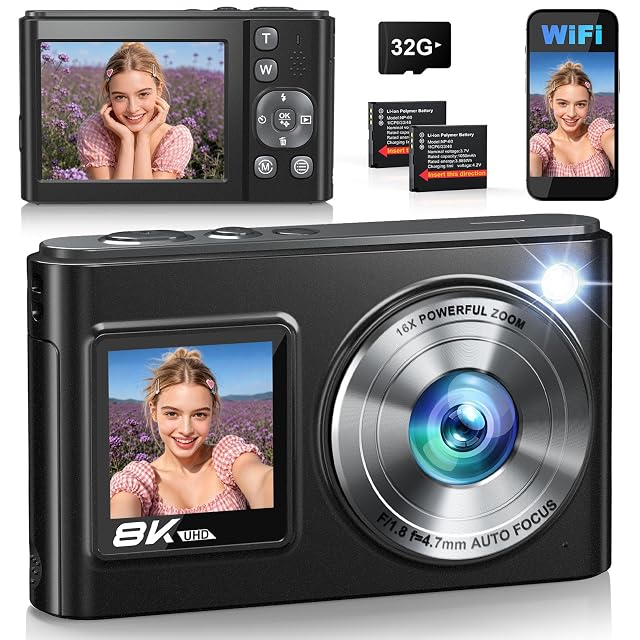
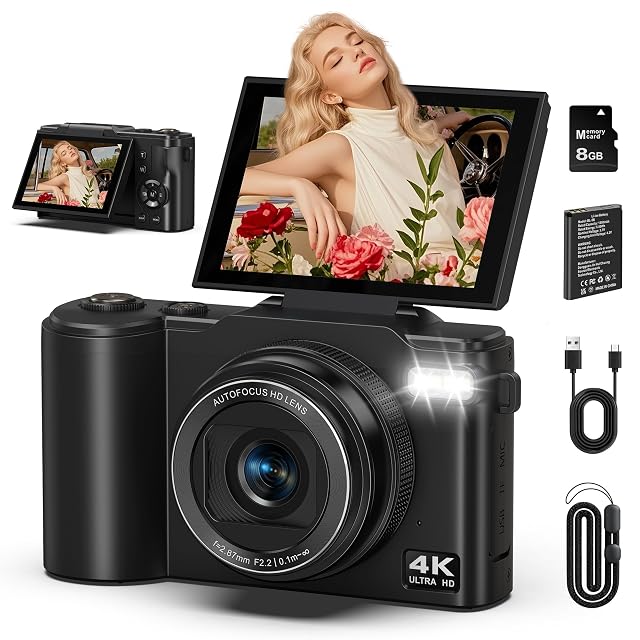
A compact carries a lens that cannot be changed, which makes the lens specification the whole purchase rather than half of it. Two numbers describe it and both need reading: the focal range, and the maximum aperture at each end — a zoom quoted f/1.8-2.8 and one quoted f/3.5-6.3 can cover the same range and belong to different worlds once the light drops, because it is the long end that collapses. Sensor size is the second decision, and on this shelf it varies more than anywhere else: the same body shape houses anything from a small smartphone-class sensor to a one-inch type or an APS-C frame, and the listing states the type rather than the dimensions. A viewfinder is the feature most often absent and most missed in bright sun; where one exists it is electronic and sometimes retractable. The screen is described by whether it tilts, flips to the front, and responds to touch. Stabilisation is quoted in stops under a named protocol. Then the dimensions that decide whether the camera is actually carried — depth is the one that matters for a pocket, not width — and the charging arrangement, since a camera charged over USB needs no separate charger on a trip. We compare sensor type, focal range and aperture at both ends, viewfinder provision, screen articulation, stabilisation, dimensions and charging.