Beam-splitter glass costs light, and the reflection has to be controlled
The best teleprompters for 2026
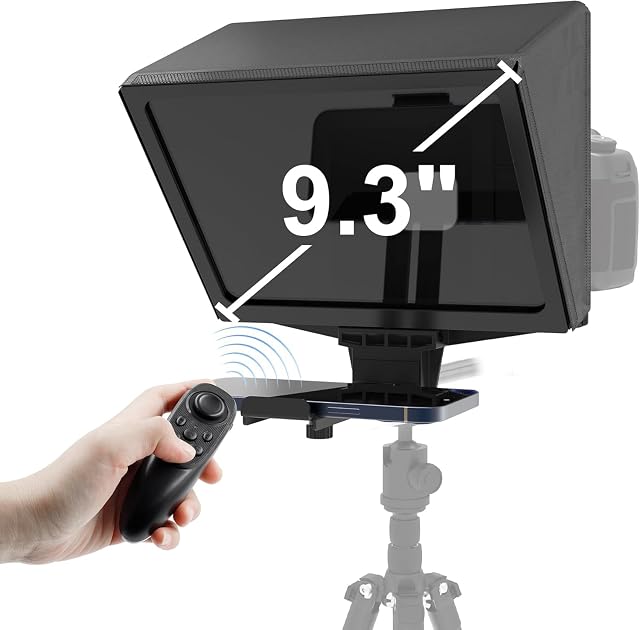
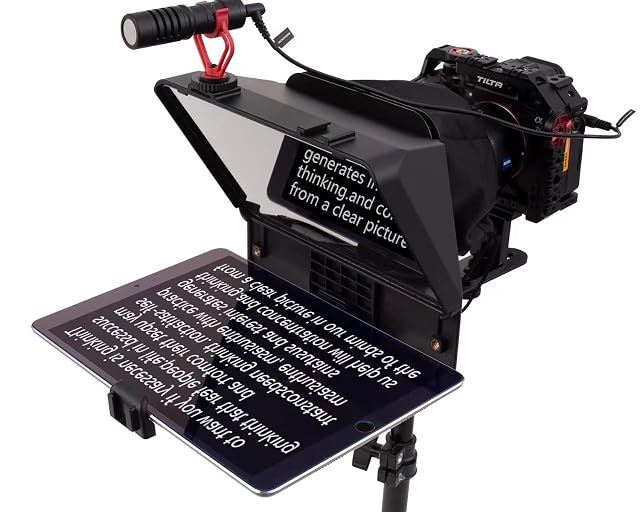
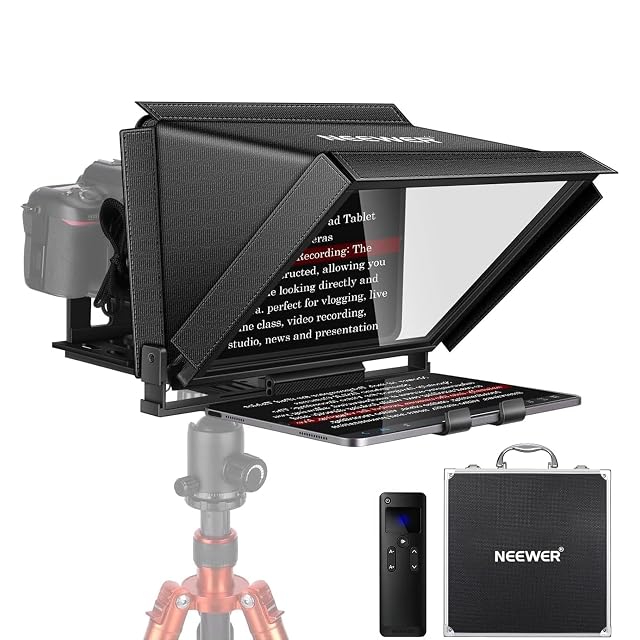
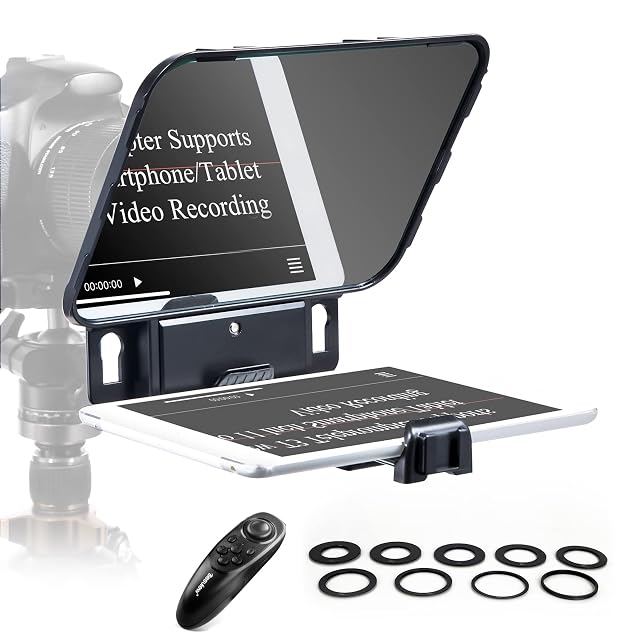
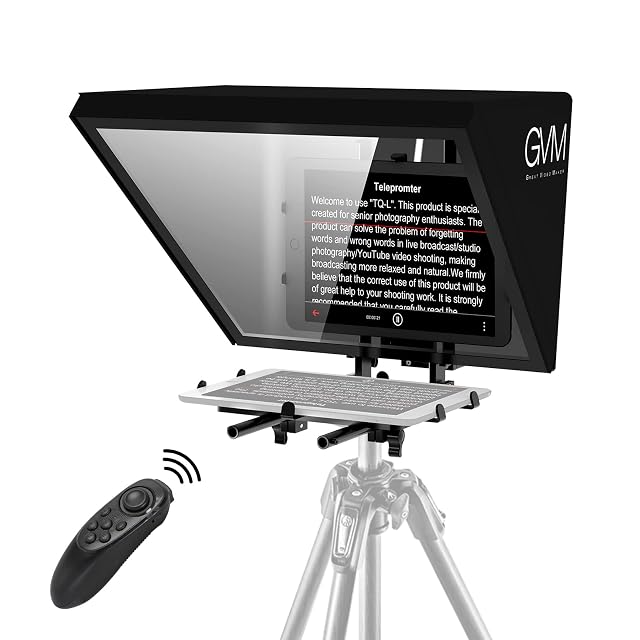
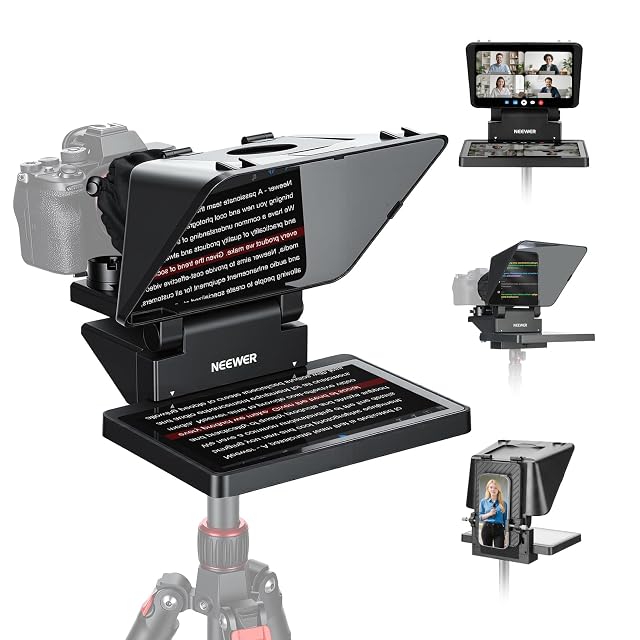
A teleprompter lets someone read while looking straight down the lens, using a sheet of beam-splitter glass set at an angle: the lens sees through it, and the speaker sees a screen reflected in it. The glass is the component that separates this shelf. A true beam splitter has a coating with a stated reflection-to-transmission ratio, and that ratio is a trade — more reflection gives brighter text and takes more light from the camera. Plain glass or acrylic produces a double image from its two surfaces, which is the fault most visible on a cheap unit. The second specification is what the prompter accommodates: a tablet of a stated size range, a phone, or a dedicated monitor, and separately the lens opening, since a large lens barrel has to reach through the aperture to avoid seeing the frame. The hood is what stops room light falling on the glass and washing the text out; a collapsible fabric hood is the part that gets left behind and then missed. Mounting is usually between the tripod and the camera, which means the tripod now carries the camera, the glass, the frame and the tablet — worth totaling before choosing a head. Then assembly time, and whether the software is included, subscription-based or left to the user. We compare glass type and stated ratio, device sizes accommodated, lens opening, hood design, mounting arrangement, assembly and software.
By Jean-Benoit Buisson