One focal length, and usually the widest aperture the money buys
The best prime lenses for 2026
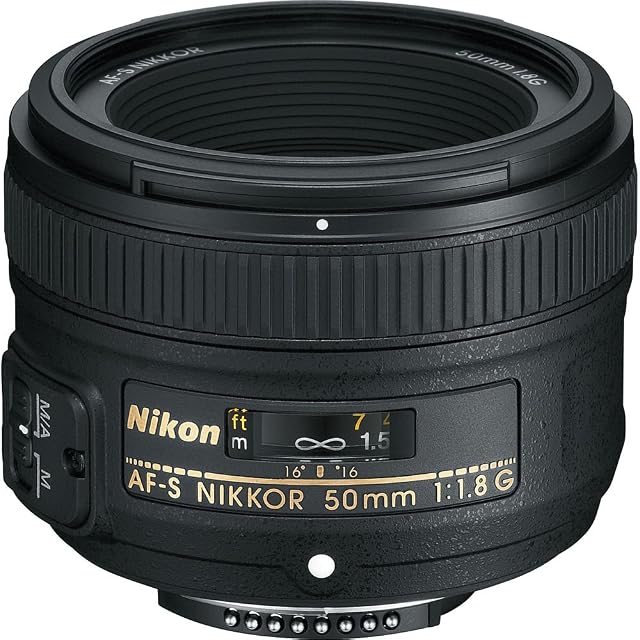
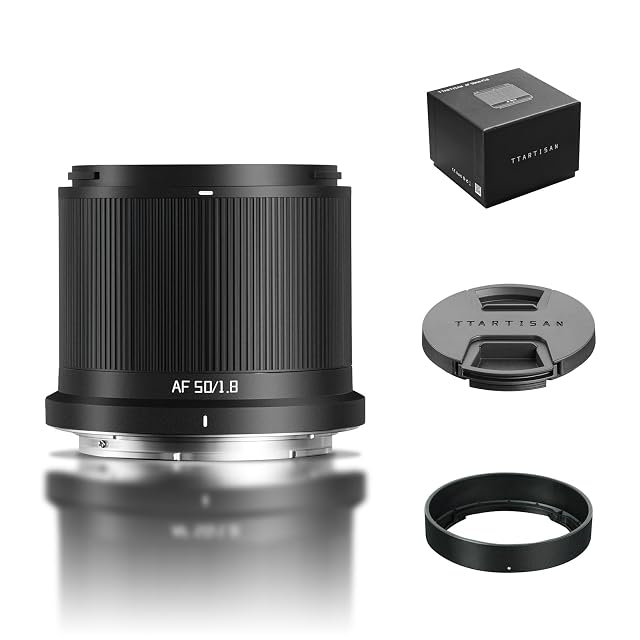
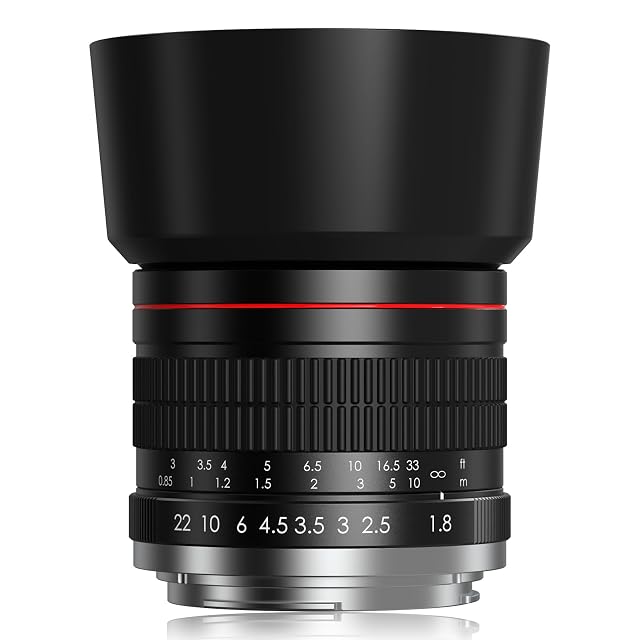
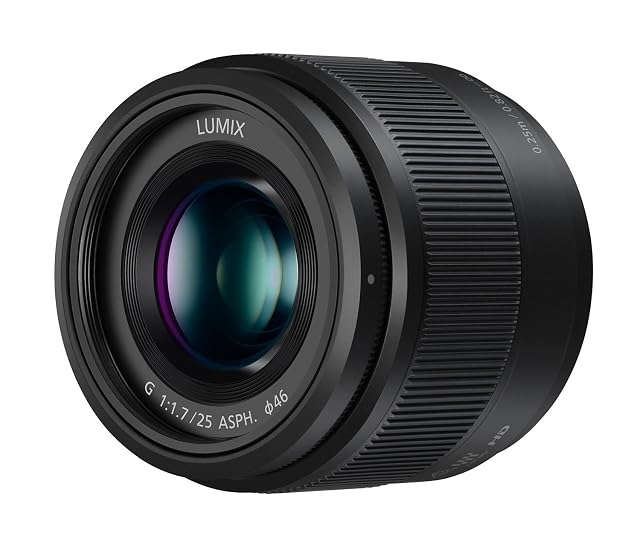
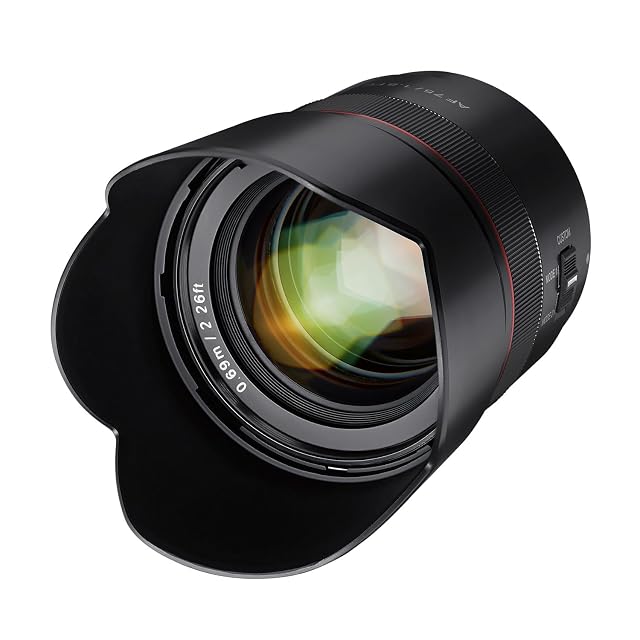
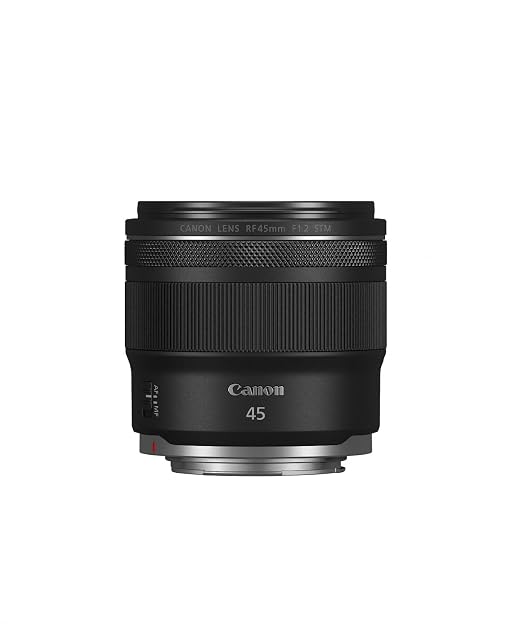
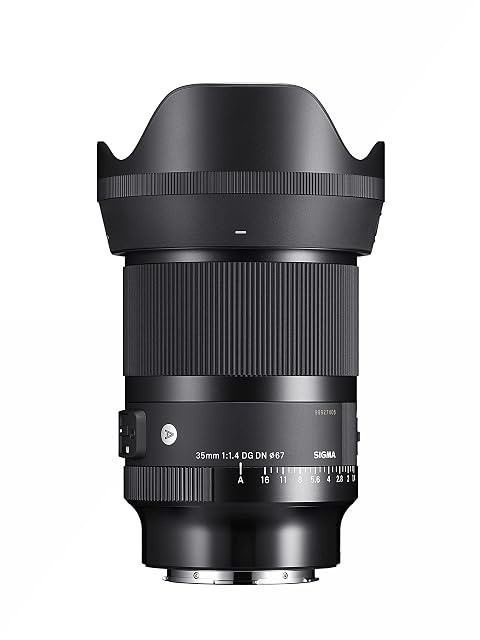
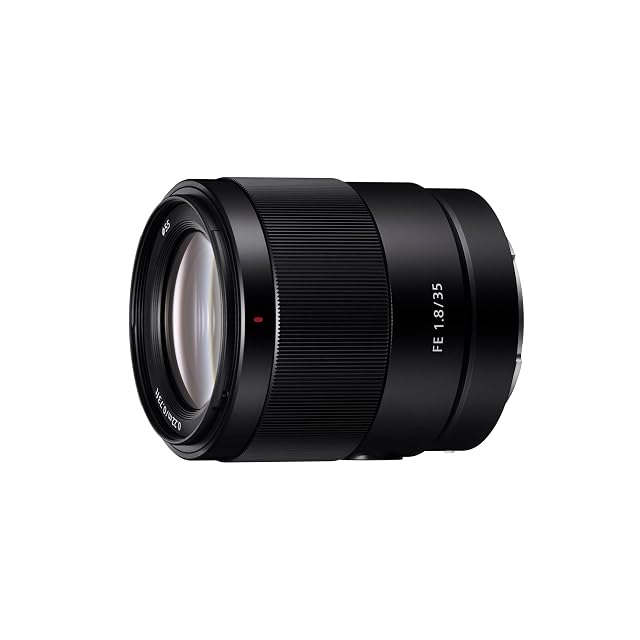
A prime does not zoom, and everything it gives back follows from that constraint. Designing for one focal length allows a wider maximum aperture at a given size and price than any zoom manages, which is why this is the shelf people arrive at when a room is too dark or a background needs to fall away. That aperture is a single figure rather than a pair, and it does not change as anything extends. The blade count and whether the blades are rounded describe how out-of-focus highlights are rendered and how many points a star pattern shows around a bright light — a property makers publish and rarely explain. Autofocus motor type is stated and decides whether the lens is quiet enough to sit near a microphone. Minimum focus distance varies more here than on zooms, and a prime that focuses close is a different lens in practice from one that does not. Because the barrel usually does not extend, the filter thread is often small and the lens often light — a combination that makes these the lenses people actually carry. Then sealing, the presence of an aperture ring on mirrorless designs, and the published weight and length. We compare focal length and format, maximum aperture, blade count and shape, autofocus motor, minimum focus, filter thread, sealing and weight.
By Jean-Benoit Buisson