The lens that stays on the camera, and its aperture tells you how it was built
The best standard zoom lenses for 2026
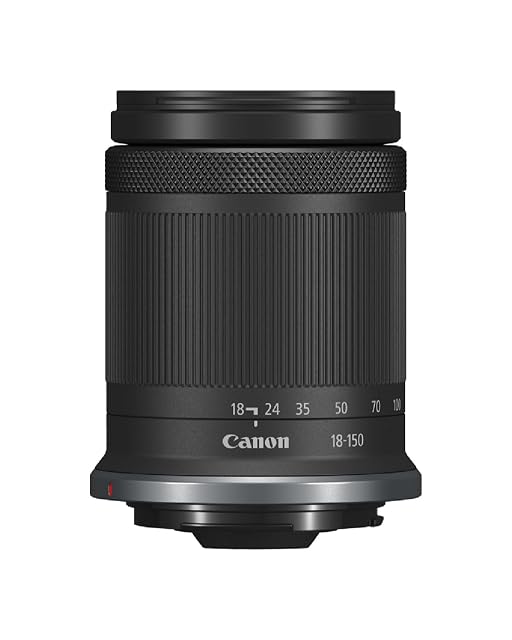
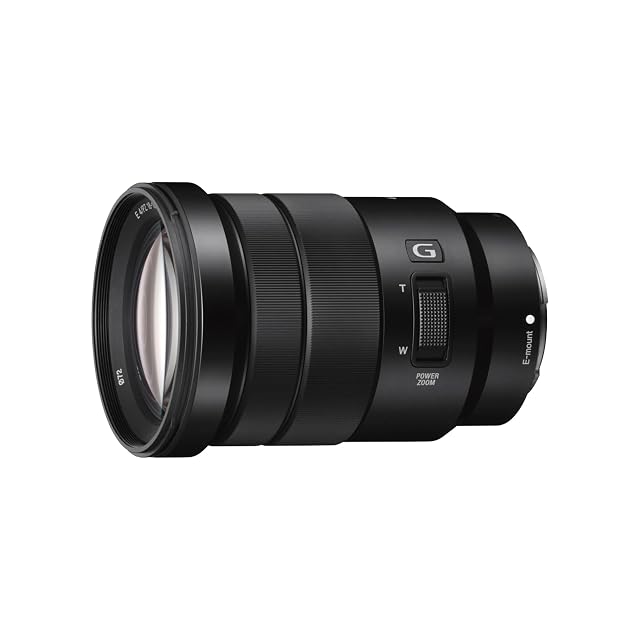
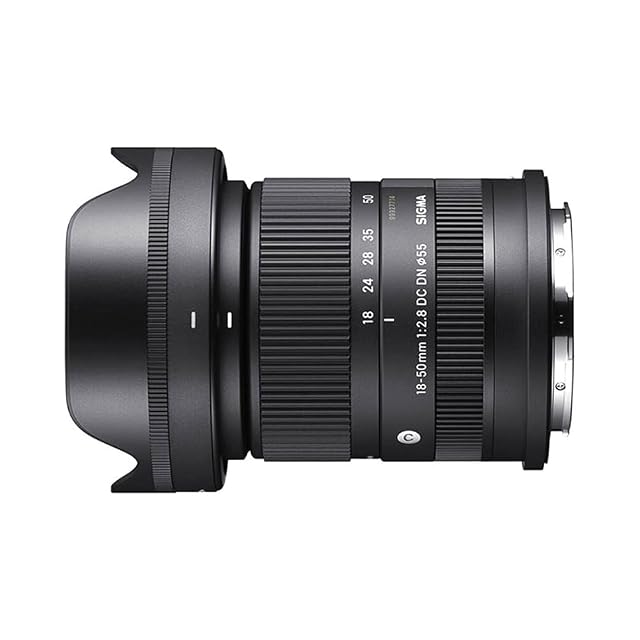
The standard zoom is the lens that lives on the camera, and its specification says more about how it was built than any review. The focal range covers a moderate wide angle through to a short telephoto, and how that range frames depends on the sensor format the lens was computed for — the engraved millimetres never change, but the part of the image circle a given sensor takes out of them does. The maximum aperture is where this shelf divides in two. A lens holding one value across the whole range is built around that promise and is larger, heavier and dearer for it; a lens quoted with two values opens wider at the short end and closes as the barrel extends, and it is the second figure that decides what it can do indoors. Stabilisation, when it is in the lens, is quoted in stops under a named protocol and may or may not combine with stabilisation in the body. The filter thread in millimetres is the number that decides which filters already owned still fit, and a lens whose front element rotates while focusing makes a polariser tiresome. Then minimum focus distance, the maximum magnification that follows from it, sealing claims, and the published weight and length. We compare mount and format, focal range, maximum aperture at both ends, stabilisation, filter thread, minimum focus, sealing and weight.