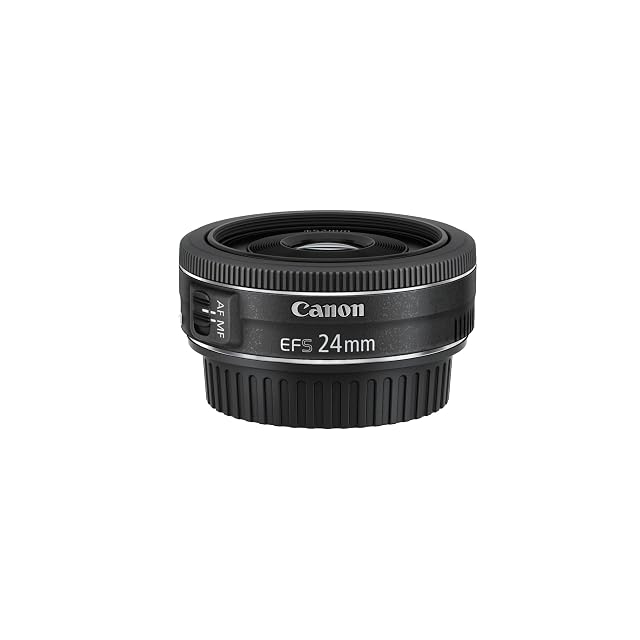
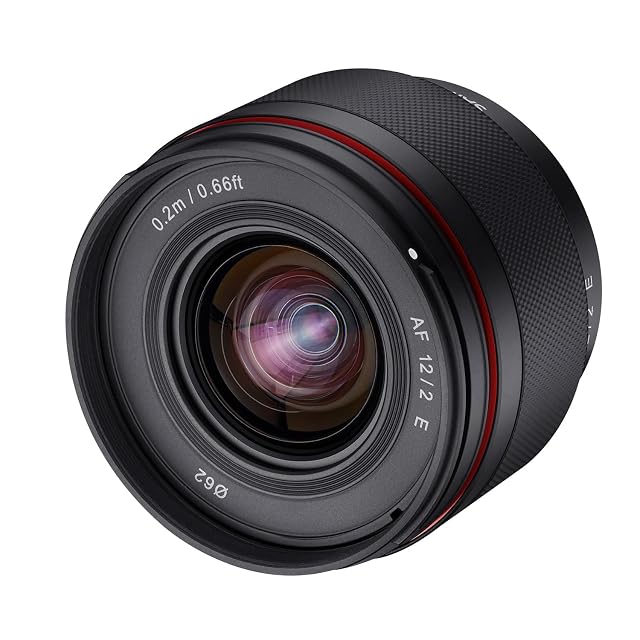
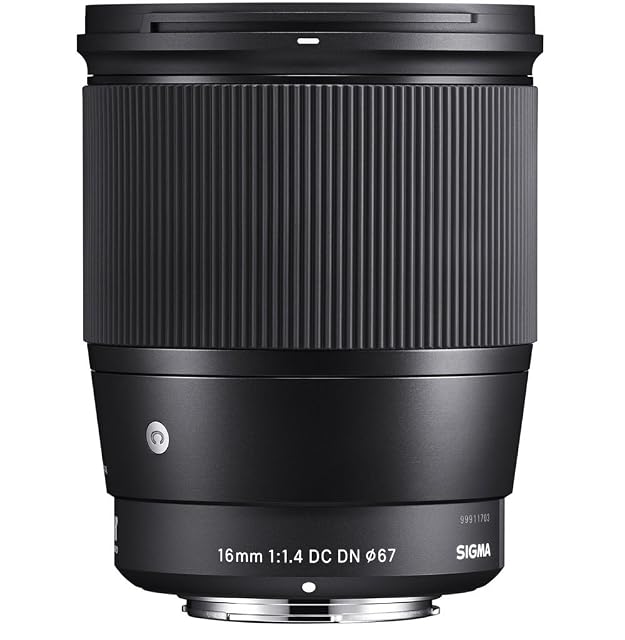
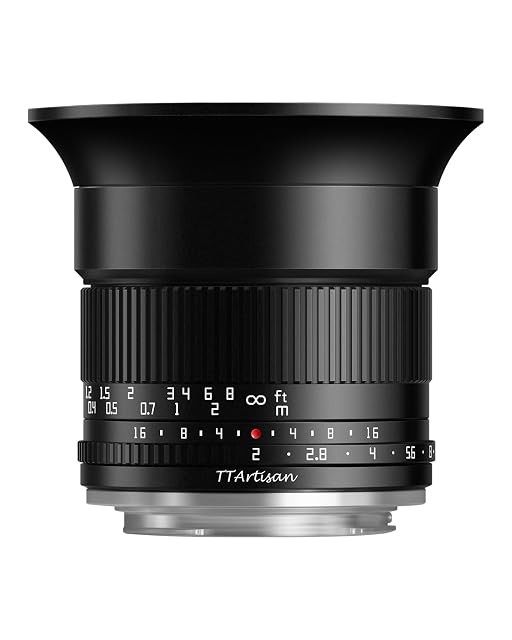
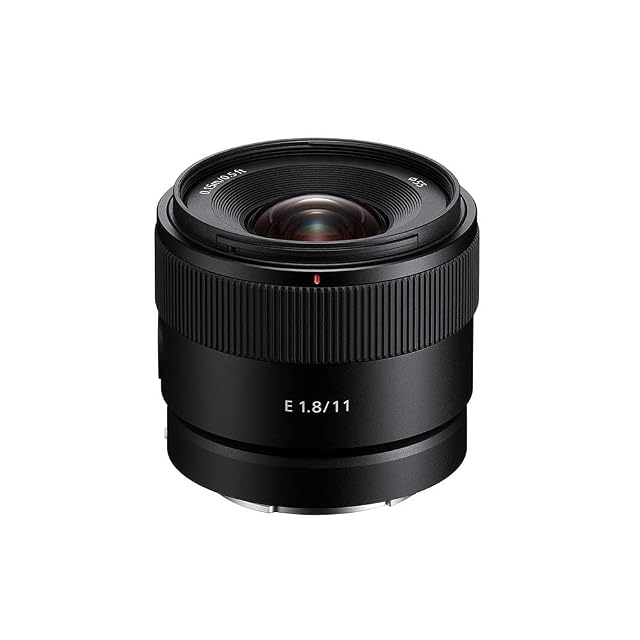
A bulbous front element decides whether filters are possible at all
The best wide-angle lenses for 2026
A wide-angle lens takes in more than the eye arranges comfortably, which makes it the most technically demanding shelf in the catalogue. Focal length and sensor format have to be read together here more than anywhere, because the same engraved figure is a moderate wide angle on one format and an ordinary lens on another. The specification that catches people out is filter provision: the widest lenses have a curved front element that protrudes past the barrel, so there is no thread at all, and using a polariser or a neutral density filter then requires a bracket-mounted square system bought separately — a cost that can rival the lens. Where a thread does exist, its diameter is usually large. Distortion is described by type rather than corrected away: rectilinear designs keep straight lines straight at the cost of stretching subjects at the corners, while fisheye designs do the opposite deliberately, and the two are different products rather than different grades. Maximum aperture matters for interiors and for night sky work, where coma at the edges is the property that separates two lenses of the same specification. Then minimum focus distance, which on a wide lens is short enough to make foregrounds dramatic, sealing for a lens that lives outdoors, and the published weight. We compare focal length and format, maximum aperture, filter provision, distortion type, minimum focus, sealing and weight.