Colour accuracy is published as an index, and it is worth more than brightness
The best LED video lights for 2026
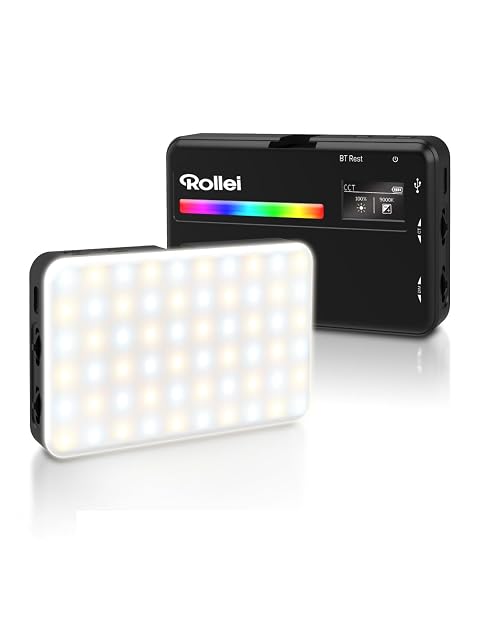
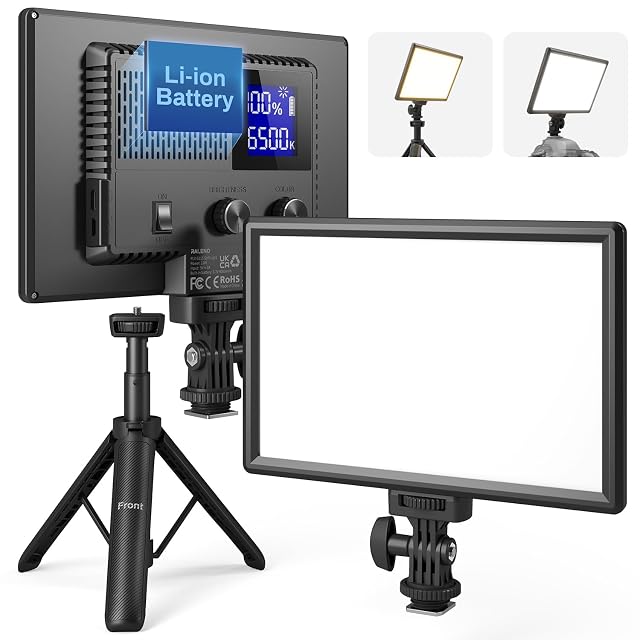
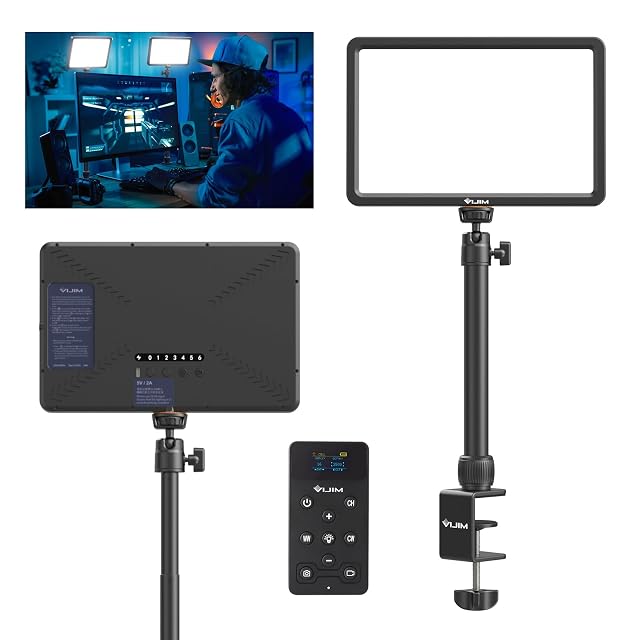
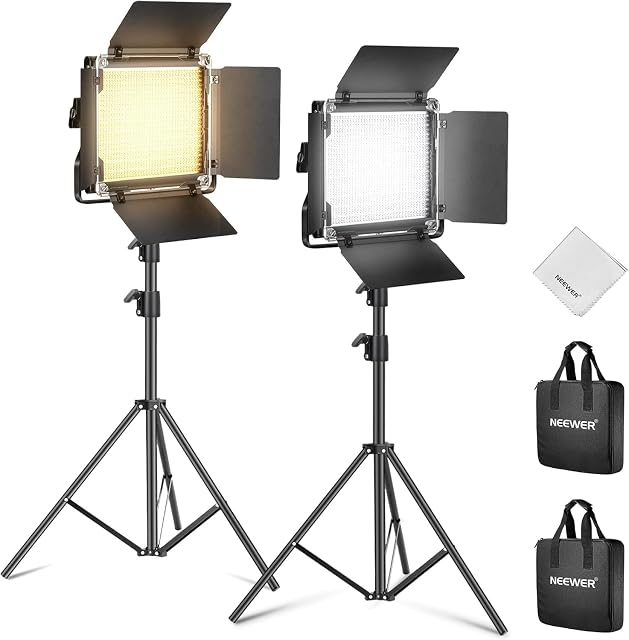
A continuous light shows what it is doing before the shutter opens, which is its whole advantage over flash, and it is compared on three published figures. Output is quoted in lux at a stated distance — the distance is part of the measurement and a figure given without it cannot be compared with anything. Colour temperature is given in kelvin, either as a fixed value or as a range on bi-colour panels, and a light that mixes warm and cool emitters usually reaches its highest output in the middle of that range rather than at the ends. Colour accuracy is the specification that separates this shelf, and it is published as an index: the older general rendering index and the more demanding television lighting consistency index both score how faithfully a source renders known colours, and a light with a poor score makes skin tones expensive to repair afterwards. Beyond the numbers: dimming range and whether it is smooth or stepped, whether the light is flicker-free at the frame rates you record, the power arrangement — mains, a camera battery plate, or an internal cell with a stated runtime — and the mount, which is a cold shoe on small panels and a stand spigot on larger ones. Then the modifiers supplied: diffusers, barn doors, grids. We compare output in lux with its distance, colour temperature range, accuracy indices, dimming, flicker, power options and mount.