The ink set and the paper sizes matter more than the engine
The best photo printers for 2026
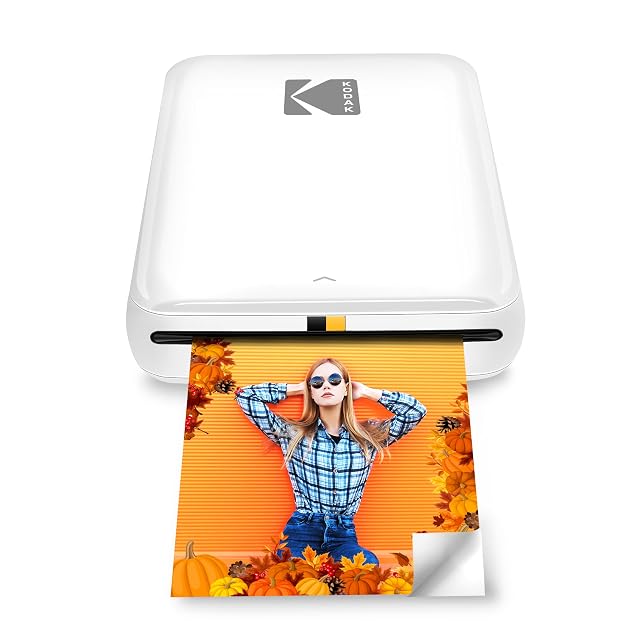
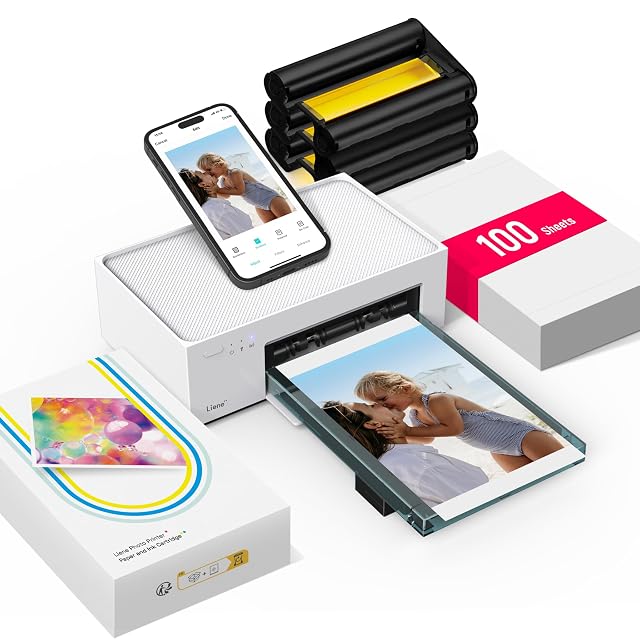
A photo printer is bought for a page size and fed for years, so the running specification matters more than the purchase one. The technology divides the shelf: inkjet printers lay dye or pigment ink and cover everything from a postcard to a large sheet, while dye-sublimation units transfer dye through heat and produce a sealed, handled-without-marking print at one or two fixed sizes. Within inkjet, the ink set is the real difference — a machine with a handful of cartridges is an office printer that prints photographs, while one with a larger set including several greys renders neutral tones and black-and-white work without color casts. Pigment and dye inks behave differently on the page and are described differently for permanence, and makers publish their own longevity estimates under stated display conditions rather than a universal figure. Maximum paper size is the physical ceiling, and borderless support is stated per size rather than in general. Media handling decides what can actually be printed: a rear straight-through path for thick fine-art papers, a roll holder for panoramas, a tray for discs. Then connectivity — network, direct-from-card, or from a phone — and whether the maker publishes color profiles for its own papers. We compare technology, ink set and cartridge count, ink type, maximum paper size, borderless support, media paths, connectivity and profile availability.
By Jean-Benoit Buisson