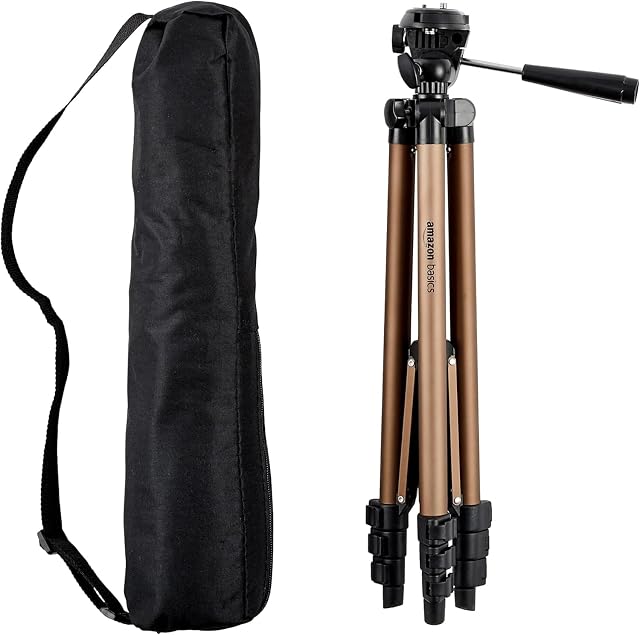
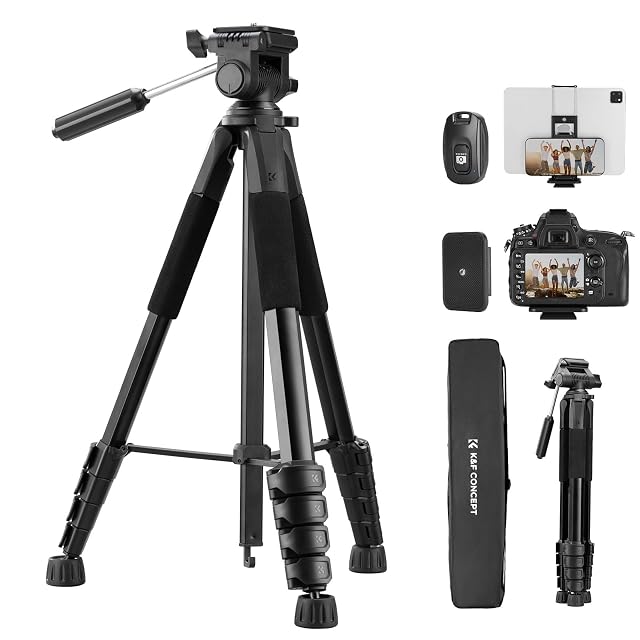
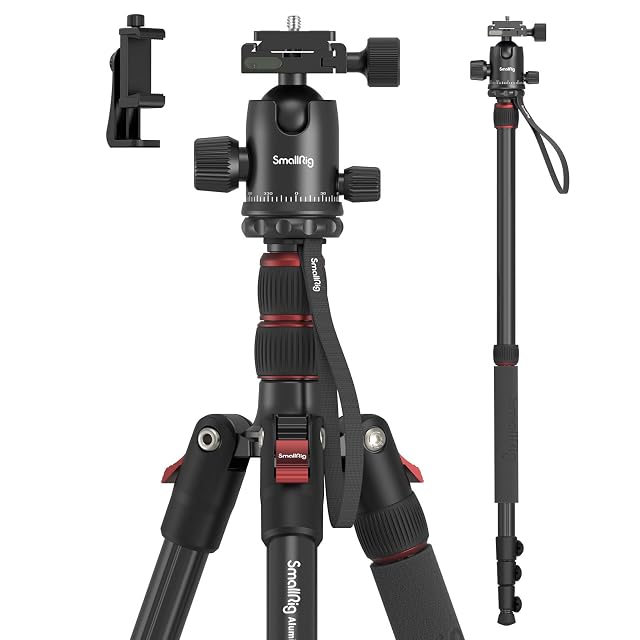
Folded length, maximum height and a load figure that is static
The best camera tripods for 2026
A tripod is described by four published numbers and one omission. Maximum height is usually quoted with the center column raised, which is the least stable configuration there is, so the figure worth comparing is the height with the column down. Minimum height decides whether the camera can get near the ground, and it depends on how far the legs splay and whether the column can be removed or inverted. Folded length is the number that decides whether the tripod travels at all, and legs that fold back up around the head are what make a short packed length possible. Declared load is a static figure: it describes what the tripod holds without collapsing, and it says nothing about vibration, wind or the torque of a long lens pointed off axis. The omission is that the head is frequently sold separately and rated separately, and the lower of the two ratings is the one that governs. Then the construction: more sections pack shorter and end in a thinner bottom leg; twist locks are compact and need a clean thread, lever locks are fast and adjust with a tool; aluminum is cheaper and colder to hold, carbon fiber lighter and better at damping vibration. Look also for a hook under the column to hang a bag from, and for spiked or rubber feet. We compare heights with and without the column, folded length, sections, lock type, declared load, material and whether a head is included.
By Jean-Benoit Buisson