Sealing depth, mount ecosystem and how long it records before it stops
The best action cameras for 2026
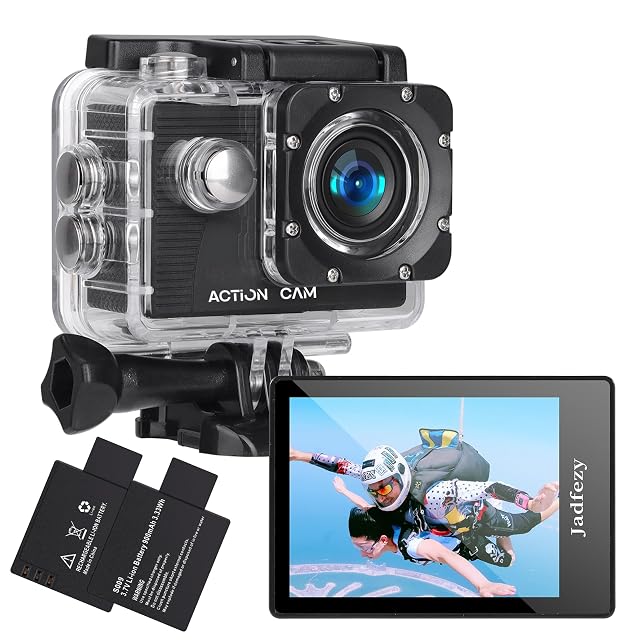
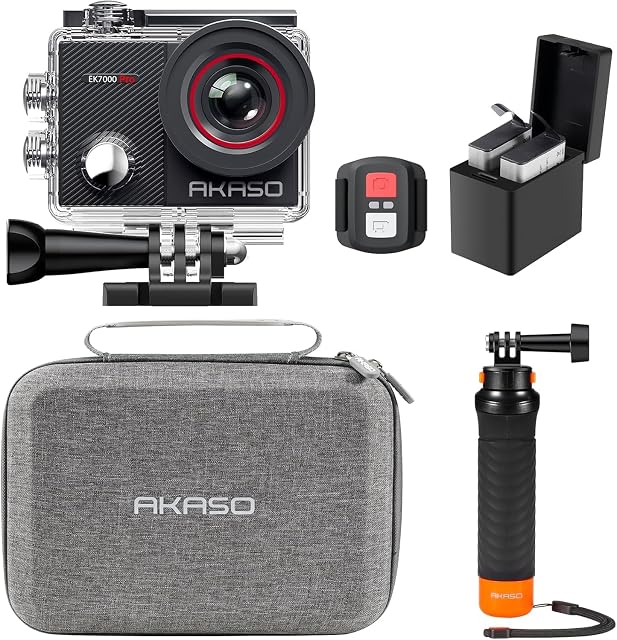
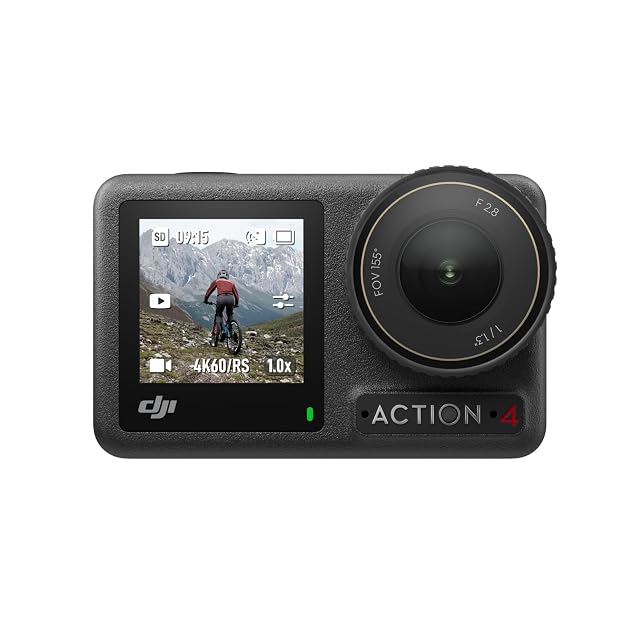
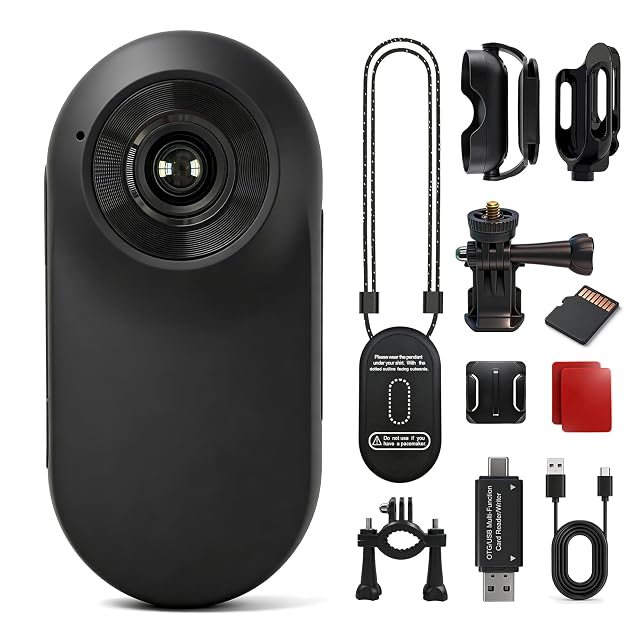
An action camera is judged on what it survives and what it records, in that order. Waterproofing is stated either as a depth in metres without a housing or as a depth with one, and the two claims are not interchangeable; some makers publish an IP code instead, which describes dust and water separately. Video is a grid rather than a single number — each resolution is offered at a set of frame rates, high frame rates exist for slow motion rather than for normal playback, and the listing should say which combinations are available together. Stabilisation here is electronic, works by cropping into the frame, and is described by mode names rather than by stops; the honest listings say which resolutions it is available at, because the highest one often excludes it. Field of view is quoted in degrees or as named modes, and the widest setting is where the barrel distortion lives. The mount is an ecosystem decision: the two-prong finger interface is a de facto standard across many makers and accessories, and a proprietary base narrows what can ever be attached. Then battery life, stated per resolution and always at room temperature, and whether the cell is removable — on a cold day that is the difference between two batteries and a finished shoot. We compare waterproof claim, video resolutions and frame rates, stabilisation modes, field of view, mount interface, battery life and removability.