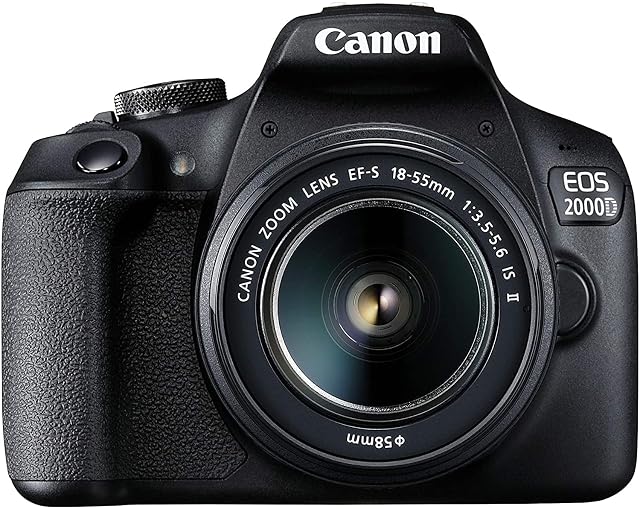
An optical finder and a mature lens catalogue, both sold used
The best DSLR cameras for 2026
A DSLR puts a mirror and a pentaprism between the lens and the eye, so the viewfinder shows the scene by light rather than by panel — no lag, no refresh rate, and no preview of the exposure either. That finder is described by two published figures worth reading: coverage, the percentage of the frame actually visible, and magnification. The autofocus system works from a dedicated module below the mirror, and makers publish the number of points and how many of them are the more precise cross type; in live view the same camera falls back to focusing from the sensor, which is a different system with different behaviour. Sensor format and resolution read as they do anywhere, and the mount carries catalogues that are now largely complete rather than growing — which is precisely why this shelf is worth attention: a mature mount means a deep second-hand supply and lenses at prices a current system does not match. Stabilisation, where present, is usually in the lens rather than the body and is quoted in stops under a named protocol. Then the practical pair: card slots, and the video modes, which on most bodies here are a secondary capability listed with their limits. We compare sensor format and resolution, mount, viewfinder coverage and magnification, autofocus points and types, card slots, stabilisation location and video modes.