One leg, for the places where three are not allowed
The best monopods for 2026
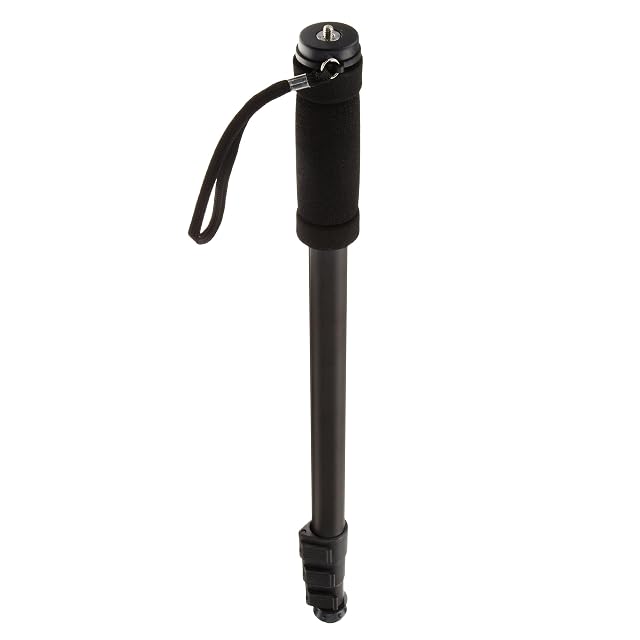
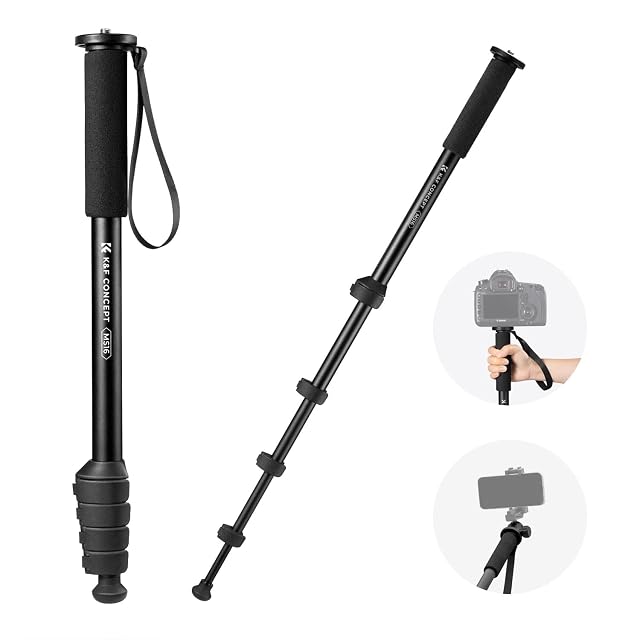
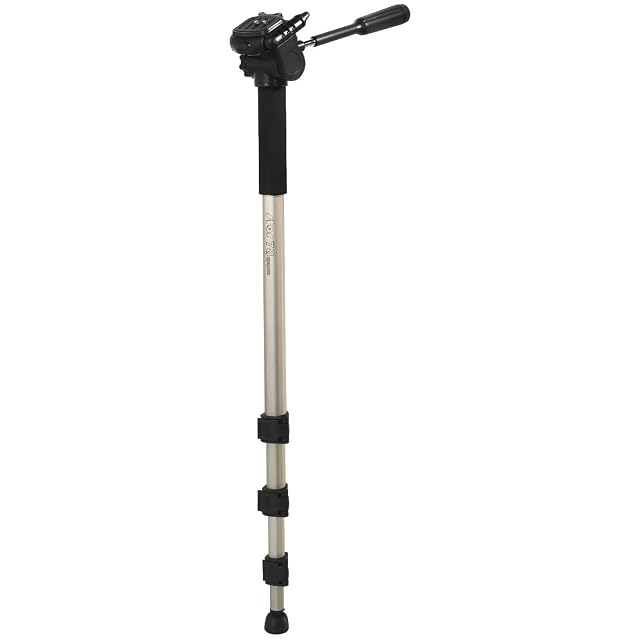
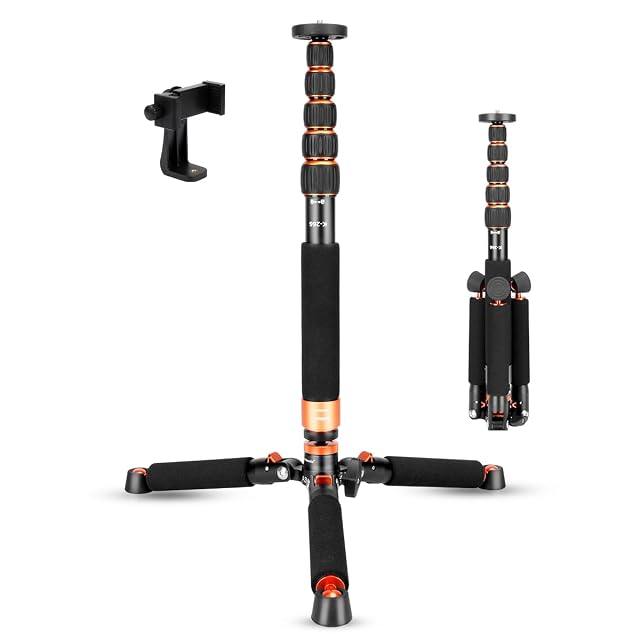
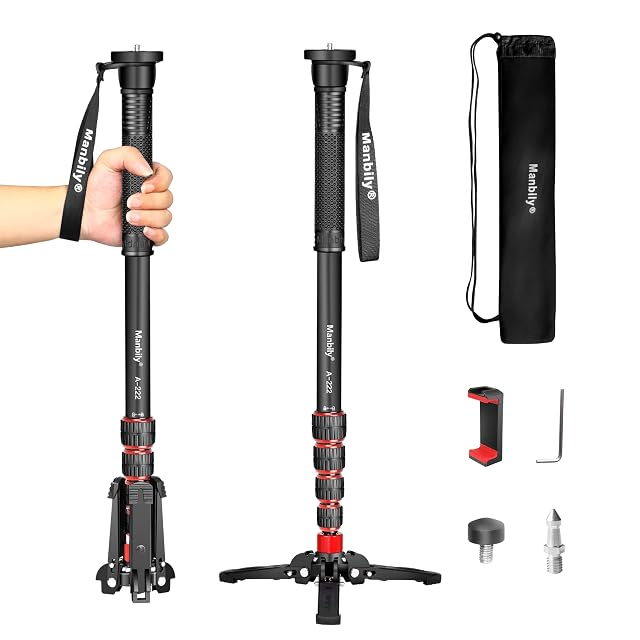
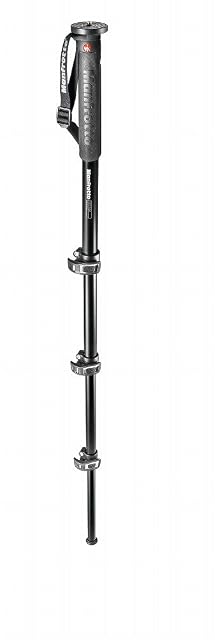
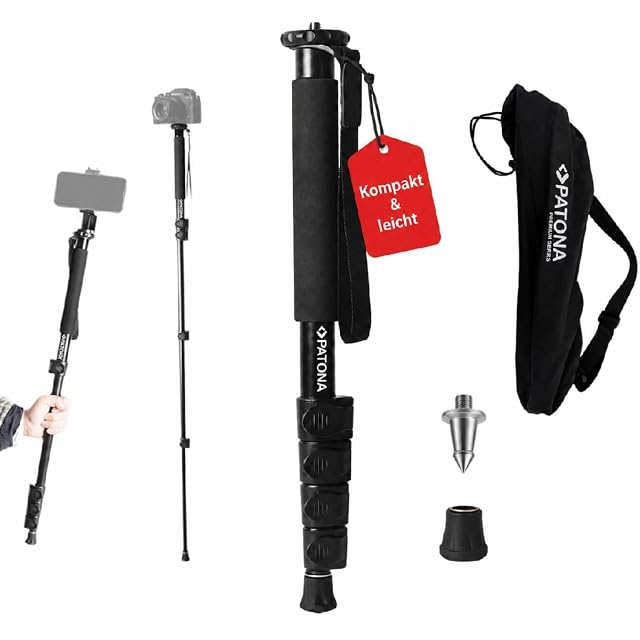
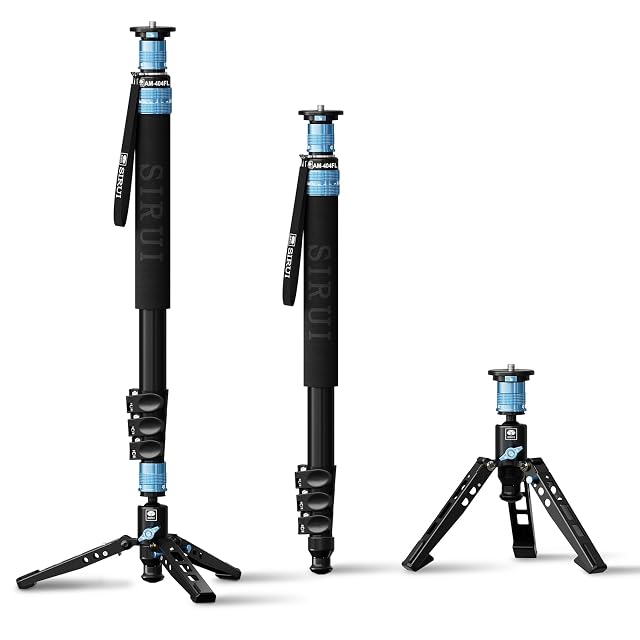
A monopod takes the weight of a long lens and removes the vertical shake, and it does neither of the other two things a tripod does: it will not stand alone and it will not hold a long exposure. What it buys in exchange is speed and access — it moves between positions in a second, and it is permitted in a great many stadiums, venues and public buildings where a tripod is not. The specifications are the familiar ones in a simpler arrangement. Maximum height should reach the eye without the top section fully extended, since the thinnest section is the least rigid. Folded length decides whether it straps to a bag. Sections and lock type trade packed size against the number of things to open, and twist locks can all be released in one hand span while lever locks are faster individually. Declared load is static and, as always, has to be read alongside whatever head goes on top. The foot is the part that differs most from a tripod: a plain rubber pad, a spike for soft ground, or a small tilting base that lets the pole lean while the foot stays flat. Some models add three short folding feet, which make the monopod stand up on its own without pretending to be a tripod. We compare maximum height, folded length, section count, lock type, declared load, foot design, material and head mount.