Material decides whether it creases, and creases are what you edit out
The best photo backdrops for 2026
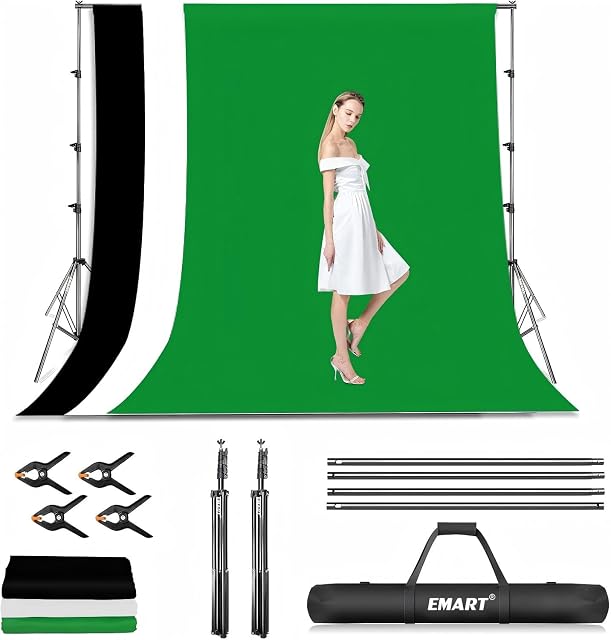
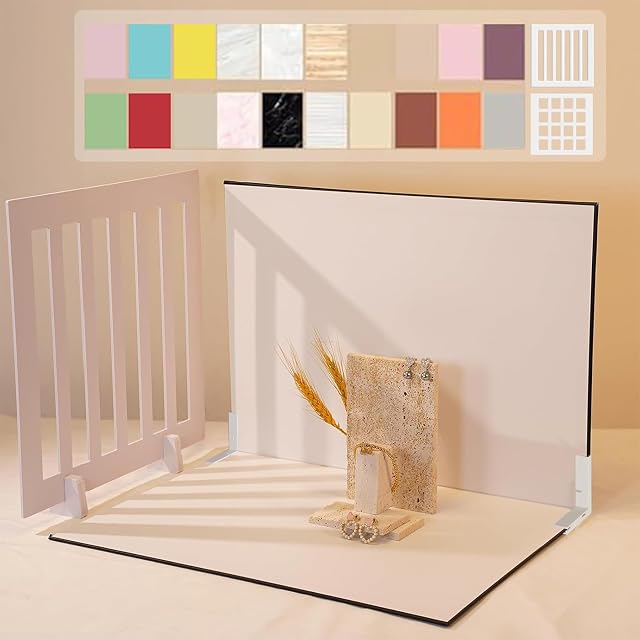
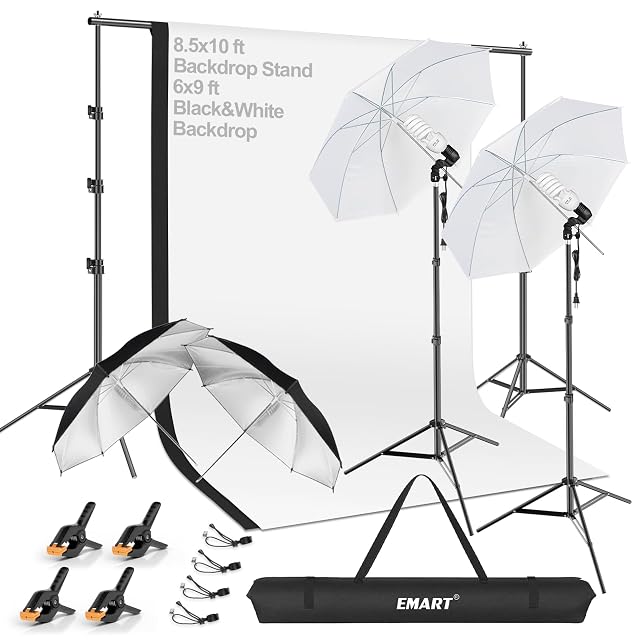
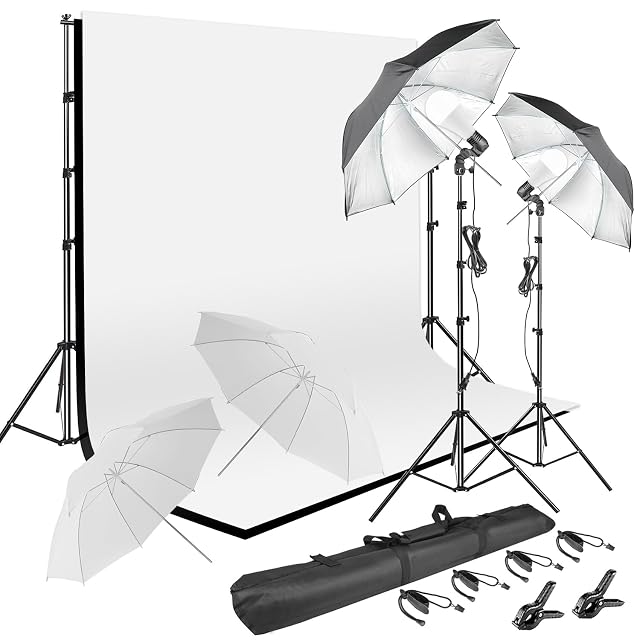
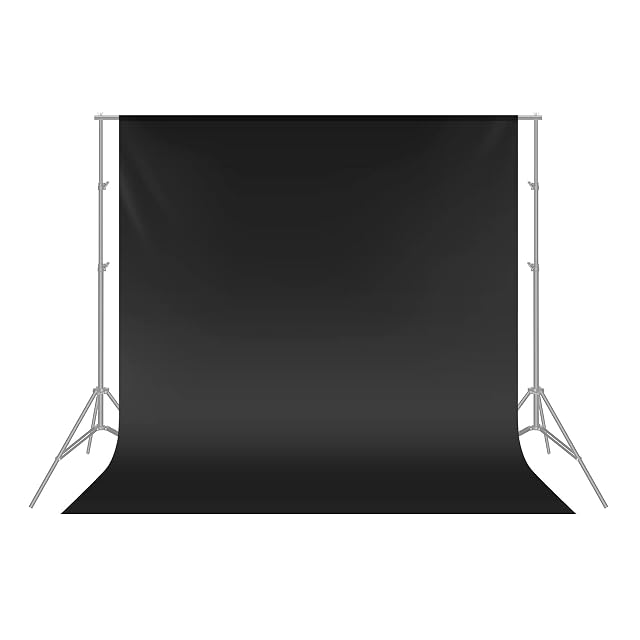
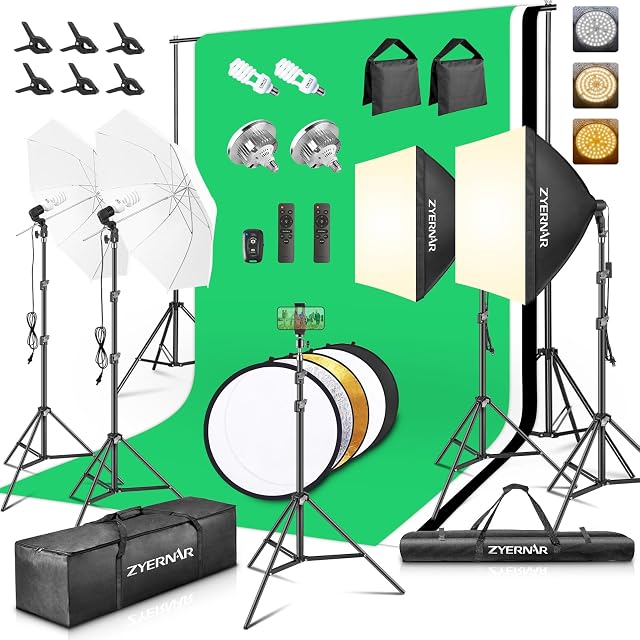
A backdrop is bought on its material far more than on its color, because the material decides how much work every photograph in front of it will need afterwards. Paper rolls give a perfectly flat surface and a seamless sweep from wall to floor, and they are consumed — a scuffed meter is torn off and discarded. Vinyl is wipeable and heavy, and it hangs flat under its own weight. Woven fabrics fold small and crease, and the polyester ones sold as wrinkle-resistant are describing a tendency rather than a property; the creases show under any light that rakes across them. Muslin is soft, dyes well and creases freely, which suits a mottled look and not a plain one. Dimensions follow the subject: a head-and-shoulders portrait needs far less width than a standing figure, and the height has to include the part that lies on the floor. The support is a separate purchase in most cases — two stands and a crossbar, or a wall-mounted system — and the listing should say whether it is included. Mounting is by pole pocket, grommets, clamps or an adhesive strip, and clamps are the ones that always go missing. Then opacity, which decides whether a light behind it shows through, and how the surface is cleaned. We compare material, dimensions, creasing behavior, support system, mounting method, opacity and cleaning.
By Jean-Benoit Buisson