The mount ties every modifier you will ever own to one system
The best softboxes for 2026
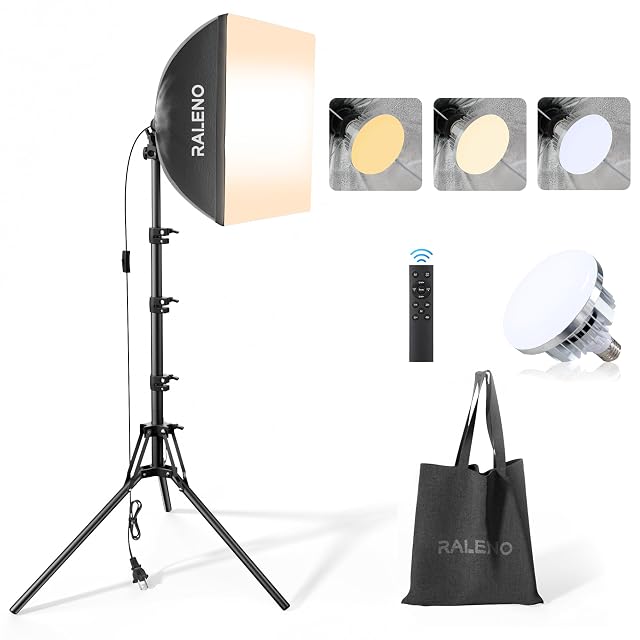
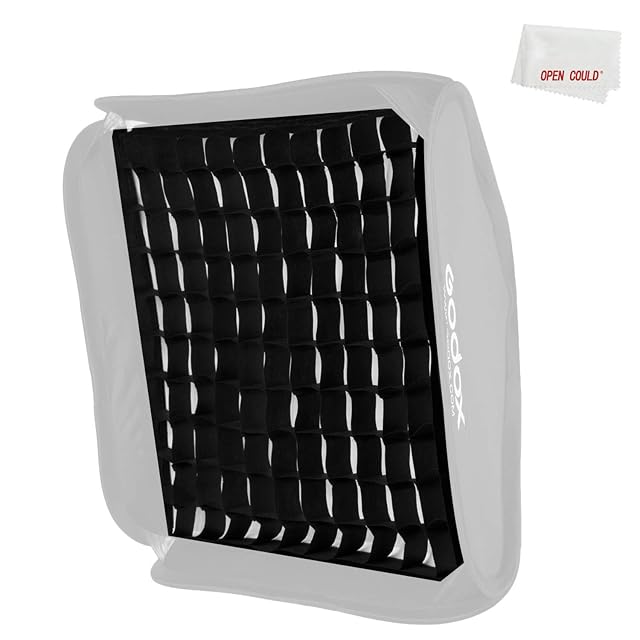
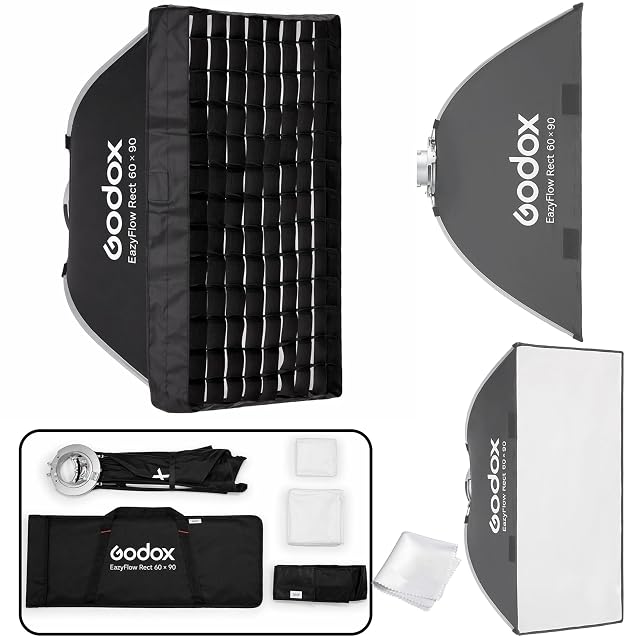
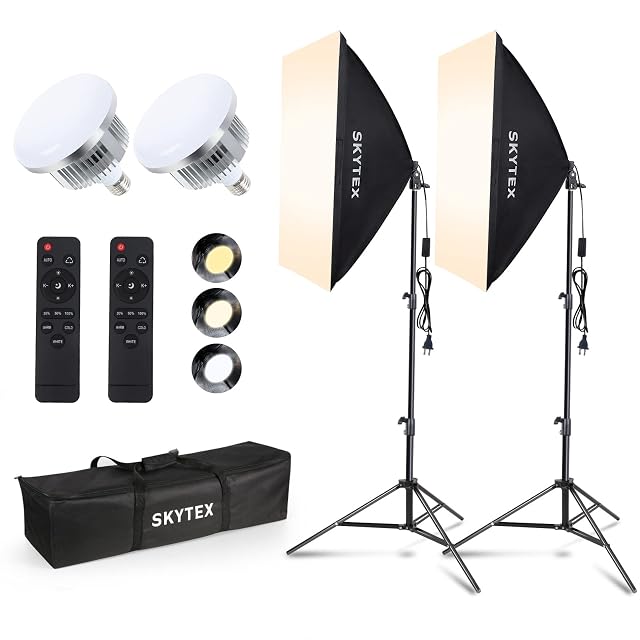
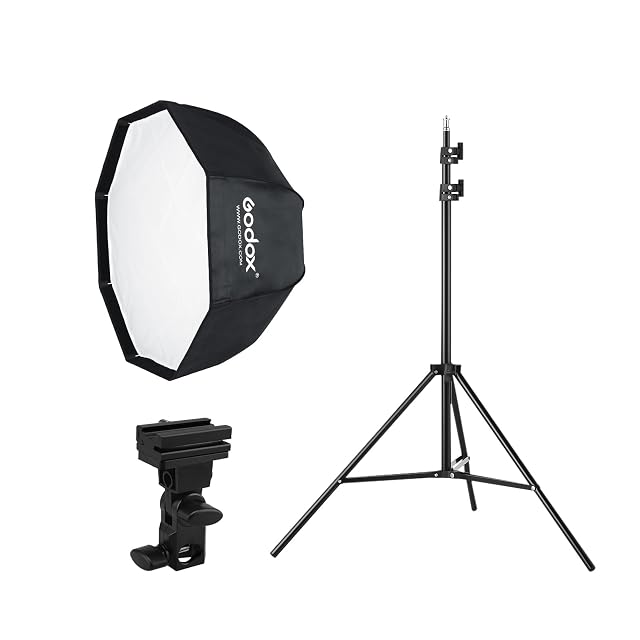
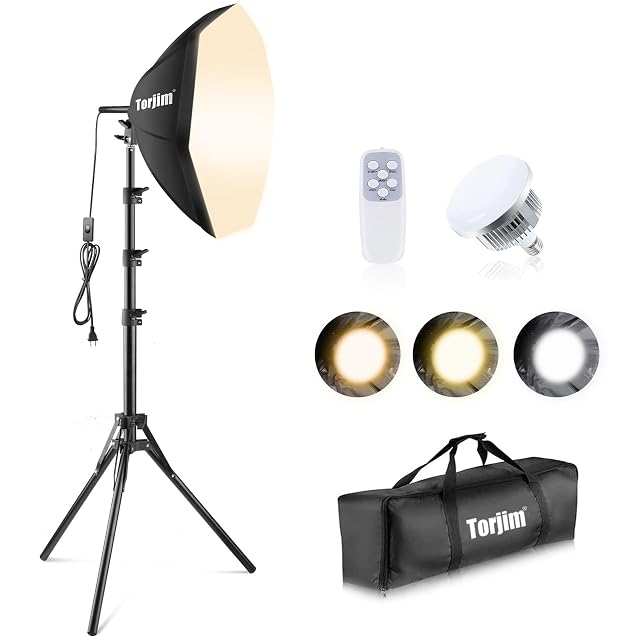
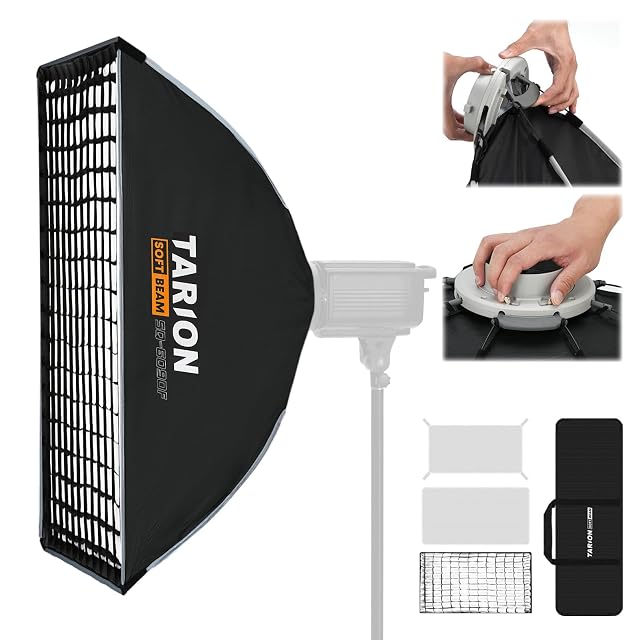
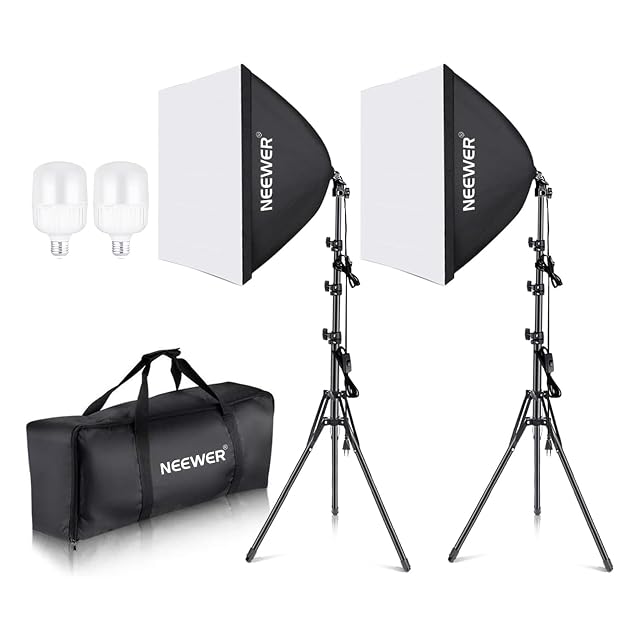
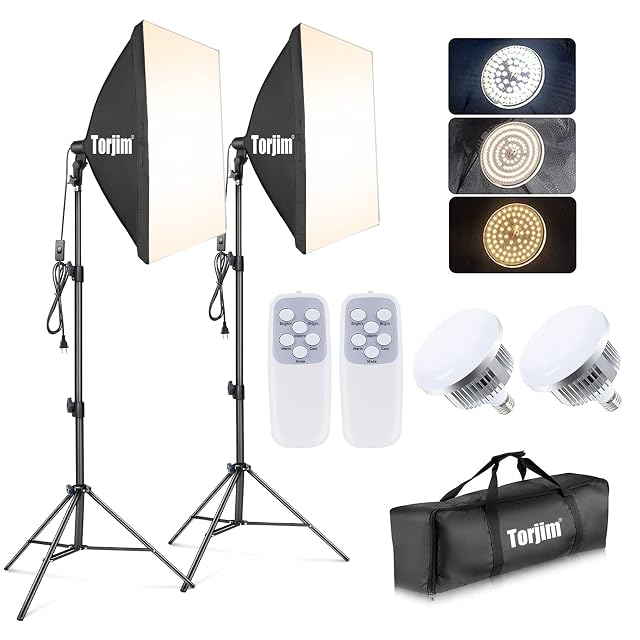
A softbox makes a small light large, and the physics is simple: the bigger the surface relative to the subject and the closer it sits, the softer the shadow edge. Everything on the listing serves that. Size and shape come first — a square or octagonal box gives a round catchlight, a rectangular one a shape closer to a window, and a strip box a long narrow highlight down an edge. Depth is less discussed and matters: a deep box concentrates light forward and spills less onto the walls of a small room, a shallow one spreads. The mount is the decision that outlives the box, because a speed ring is cut for one fitting — Bowens-style, Profoto-style, a proprietary one, or a bracket for a hotshoe flash — and everything bought afterwards inherits it. Diffusion is described in layers: an inner baffle plus a front face is softer and dimmer than a front face alone, and both are usually removable. A grid is the accessory that turns a softbox from a source that fills a room into one that lights a subject, and whether it is included or extra is a real cost. Then assembly, which decides whether it gets used: rods threaded into a ring, or a folding parabolic frame that opens like an umbrella. We compare mount type, size and shape, depth, diffusion layers, grid provision, assembly method and packed size.
By Jean-Benoit Buisson