Skip to content

VBESTLIFE 16 channels on 433 MHz, transmitter and receiver

A transmitter and receiver set at 20 € offering 16 channels, a 1/250 s sync claim and a jack adapter — and naming a radio frequency where every other trigger here names a system.

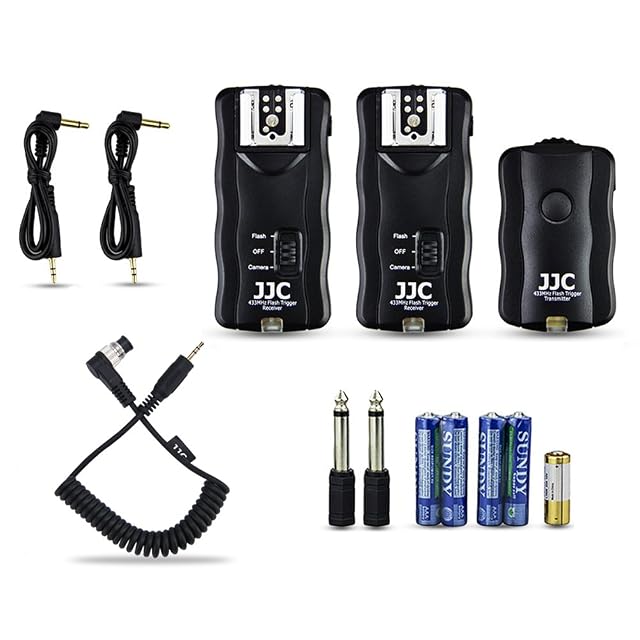
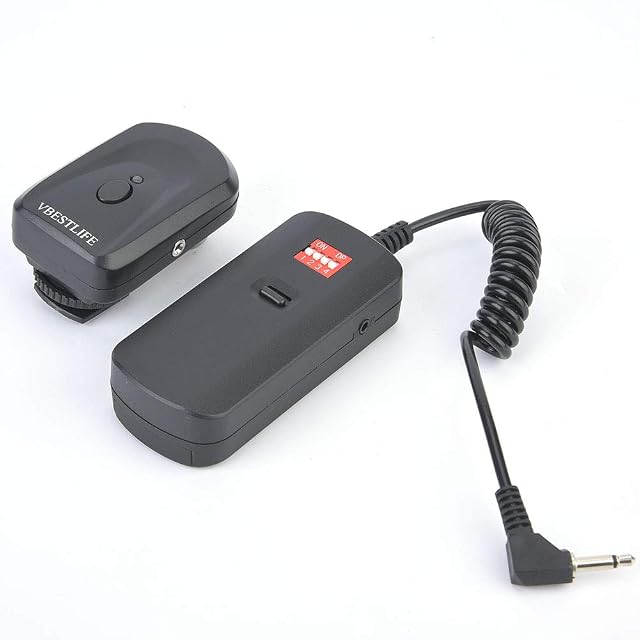
VBESTLIFE flash trigger transmitter and receiver pair in black with a sync adapter

VBESTLIFE 16 channels on 433 MHz, transmitter and receiver

A transmitter and receiver set at 20 € offering 16 channels, a 1/250 s sync claim and a jack adapter — and naming a radio frequency where every other trigger here names a system.

Radio system named
None — the third bullet gives a working frequency of 433 MHz, which is not the same thing. The hub above says each trigger belongs to a system named on the box, and that the system decides which flashes can ever join the set. A frequency says which band the radio uses; it does not say who can talk to whom. Nothing on this page names a protocol, so compatibility begins and ends with the receiver in the box
Camera mounts supported
Pentax is named in the second bullet, which credits the transmitter with a unique contact design suited to Pentax and other cameras. The fourth bullet adds a 3.5 mm to 6.35 mm adapter for studio flashes, and the shoe carries the fire signal only — so on any camera it will trigger, and it will pass nothing else
Channel and group counts
16 channels, in the title and the first bullet, credited with strong interference resistance. No groups are published, which is the distinction the hub above draws: channels keep two photographers out of each other’s way, groups let one photographer control lights separately. This set offers the first and not the second
Remote power control
None. Nothing on the page describes adjusting a flash from the transmitter, so every light in the set is set by hand at the light — which is what the hub above calls the difference between a trigger and a controller
Metering and sync modes claimed
A highest sync speed of 1/250 s, in the third bullet. No through-the-lens metering and no high-speed sync is claimed, and no mode is named — so the claim is for ordinary sync at a stated ceiling, which is an honest position for a 20 € set
Power source
The receiver takes two AAA cells, not supplied, named in the fifth bullet with low consumption and long life. The transmitter’s power is not stated
Amazon reference
B07THWWJWS (same reference on 5 Amazon marketplaces)
EAN
0715990757208
  • Sixteen channels and a claimed 30 m range for 20 €
  • A 3.5 mm to 6.35 mm adapter in the box, so it reaches studio heads with either socket
  • A frequency named instead of a system, so nothing can be said about what else will ever join the set

Best for: Firing one or two manual studio heads on a budget, where the set that arrives in the box is the whole system and will stay that way.

≈ £21 / 20 €
Check price on Amazon
Specifications

Radio system named
None — the third bullet gives a working frequency of 433 MHz, which is not the same thing. The hub above says each trigger belongs to a system named on the box, and that the system decides which flashes can ever join the set. A frequency says which band the radio uses; it does not say who can talk to whom. Nothing on this page names a protocol, so compatibility begins and ends with the receiver in the box
Camera mounts supported
Pentax is named in the second bullet, which credits the transmitter with a unique contact design suited to Pentax and other cameras. The fourth bullet adds a 3.5 mm to 6.35 mm adapter for studio flashes, and the shoe carries the fire signal only — so on any camera it will trigger, and it will pass nothing else
Channel and group counts
16 channels, in the title and the first bullet, credited with strong interference resistance. No groups are published, which is the distinction the hub above draws: channels keep two photographers out of each other’s way, groups let one photographer control lights separately. This set offers the first and not the second
Remote power control
None. Nothing on the page describes adjusting a flash from the transmitter, so every light in the set is set by hand at the light — which is what the hub above calls the difference between a trigger and a controller
Metering and sync modes claimed
A highest sync speed of 1/250 s, in the third bullet. No through-the-lens metering and no high-speed sync is claimed, and no mode is named — so the claim is for ordinary sync at a stated ceiling, which is an honest position for a 20 € set
Power source
The receiver takes two AAA cells, not supplied, named in the fifth bullet with low consumption and long life. The transmitter’s power is not stated
Amazon reference
B07THWWJWS (same reference on 5 Amazon marketplaces)
EAN
0715990757208

On the listing

Five short bullets, and four are one line each. A 16-channel design with strong interference resistance; a transmitter with a unique contact design suited to Pentax and other cameras; a working frequency of 433 MHz with a highest sync speed of 1/250 s and a maximum working distance of 30 metres; a supplied adapter converting between 3.5 mm and 6.35 mm for more studio flashes; and a receiver running on two AAA cells, not included, with low consumption.

A frequency where the others name a protocol

This is the distinction that decides everything afterwards. Godox says 2.4G X. NEEWER says 2.4G Q. Walimex pro names its own flash series. This page says 433 MHz, which is a band shared with garage door openers. A band tells you where the signal sits; a system tells you which lights will answer it.

Sixteen channels, and no groups

The hub above separates the two, and the difference is practical. Channels are for avoiding other people; groups are for controlling your own lights separately from the camera. Sixteen of the first, none of the second.

A quarter of a second, and thirty metres

Both published, and 1/250 s is a higher ceiling than several camera bodies can sync at anyway. Thirty metres in open space without interference is the standard claim at this price, and it is stated with those qualifications.

An adapter that earns its place

Three point five millimetres and six point three five: the two sync sockets studio heads actually use. Including the converter means the receiver reaches either, which is the sort of thing that otherwise costs an evening and a second order.

Availability

Between 20 € and 31 € on the German, French, Italian and Spanish Amazon stores when this page was last checked.

The British Amazon store carry it too, priced in local currency. Those amounts are deliberately absent from the range above, which reads euro stores only.

Nothing came back from the American Amazon store at all, so the button for that country runs a search instead of opening an entry that is not there.

Everything in this section is the figure Keepa carried on the day of the last update to this page. Availability and prices shift without notice.

Prices quoted in this text were read on 13 September 2026. The live price is at the top of the page.

All flash triggers