Tripods, monopods and a 9 € filter, at the floor of the shelf
Where it turns up
Camera tripods, monopods and UV protection filters, between 8 € and 14 €.
What the floor of a shelf is for
A tripod at 13 € is not a compromise of a 200 € one, it is a different object: it holds a light camera still on a flat surface and it fails at what the dearer one is bought for. Knowing which of those is needed is the whole question, and a cheap entry on a shelf is what makes the comparison visible.
The filter page, and its five bullets
Four of them describe what a UV filter is for and the fifth says photographers like them. Not one names the glass, the coating, the frame thickness or the transmission — the four things that shelf compares. At 9 € the honest description is a glass lid, which is what the shelf’s own advice calls it.
Where it is genuinely the right answer
A protective filter that will be scratched and replaced. A monopod for a venue that refuses tripods. A first tripod to discover whether a better one is wanted.
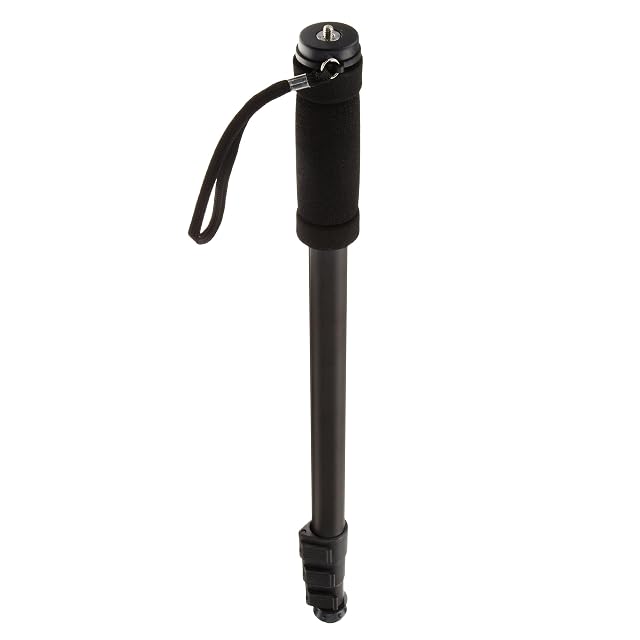
54 to 170 cm · four leg sections · declared load 6.6 lbs, about 3 kg · 1/4 inch universal thread · rubber foot with retractable spikes · padded grip and adjustable wrist strap · carry bag · aluminium · no folded length published · no head included
Eighteen euros, level with the PATONA on this shelf, with a rubber foot that hides retractable spikes and a wrist strap — and no folded length anywhere on the page.
Best for: A first monopod for a long lens at a match or in a hide, where the spikes and the strap matter more than a published packed length.
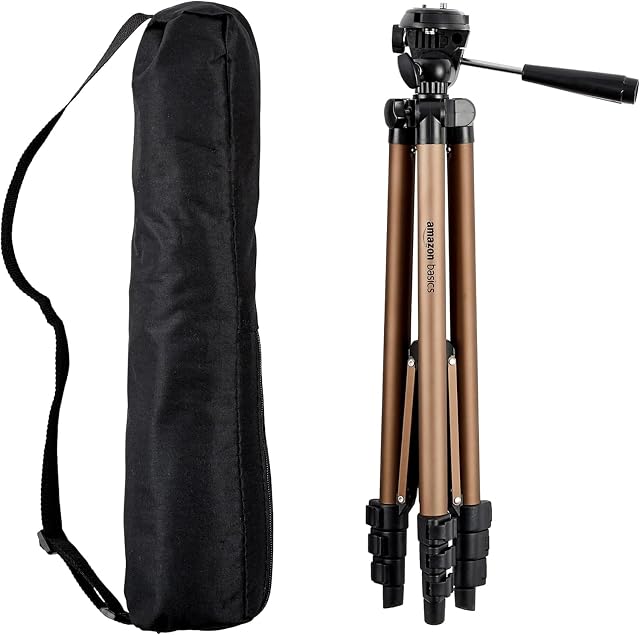
40.9 to 127 cm · folded 42.8 cm · 3 sections · lever locks · equipment ceiling of 2 kg, stated as a limit rather than a load · aluminium, 560 g · 3-way head with a bubble level and a quick-release plate · zipped bag
The cheapest support here at 13 €, weighing 560 g, with a 3-way head and a bag — and a page that names what must not go on it: nothing over 2 kg, no heavy reflex, no long lens.
Best for: A compact camera, a phone or a small mirrorless body on a budget, where 560 g in the bag matters more than reaching eye level.
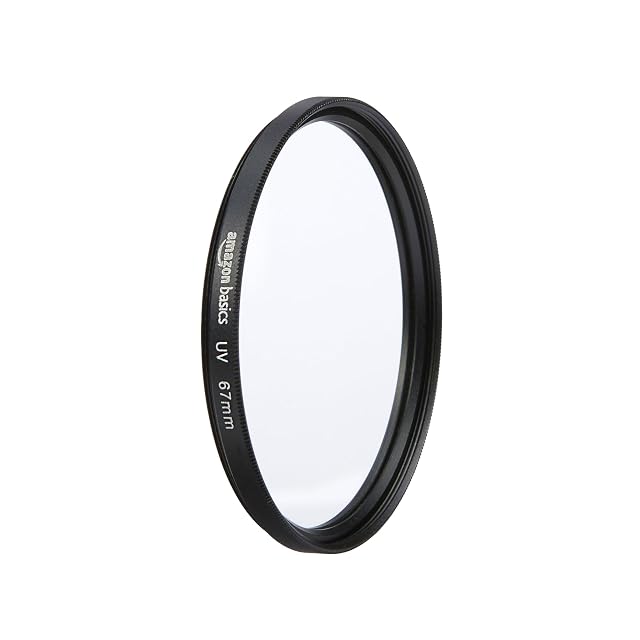
Nine euros for a 67 mm protective lid whose five bullets describe what it is for four times over, and its construction not once.
Thread size
67 mm, in the title and the fourth bullet, which calls it compatible with a wide range of lenses. Sixty-seven millimetres is the thread of a great many standard zooms, and it is the size the buying advice above says to buy for and step down from
Glass
NOT SPECIFIED. No origin, no type, no grade — where the 11 € K&F and the 13 € PROfezzion on this shelf both name Japanese optical glass and the 8 € Hama names optical glass in a black metal frame
Coating description
NONE, and this is the specification whose absence costs most. An uncoated filter reflects light between its surfaces and the lens, which lowers contrast and can throw a ghost of a bright source into the frame. The hub above is blunt about it: an uncoated filter in front of a good lens is a downgrade you pay for. The other three filters here publish 2, 12 and 18 layers
Frame thickness
Not published. The 8 € Hama gives 3.4 mm and the 13 € PROfezzion 3 mm; on a 67 mm filter destined for a standard zoom, thickness is what decides whether the corners darken at the wide end
Material
Not named. Neither the frame metal nor the glass is described anywhere in five bullets
Front thread provision
Not mentioned. Whether a hood, a cap or a second filter screws onto the front is left unstated — the 8 € Hama names all three
Stated transmission figure
Not published
Amazon reference
B00XNMX4EG (same reference on 6 Amazon marketplaces)
EAN
0848719099393
Sixty-seven millimetres, the thread the buying advice above says to standardise on
Nine euros, the cheapest 67 mm lid on this shelf
No coating described at all, on glass that sits in front of every photograph
Best for: A lens that lives in a bag with sand and keys, where a 9 € replaceable lid is the point and image quality is carried by the hood instead.
Each amount in a write-up is what the listing showed when that page was written. The figure next to the product is pulled in as you read, and it is the one that counts.